




Why Stainless Steel IP69K Computers Matter in Food, Beverage, and Pharmaceutical Automation
In food, beverage, and pharmaceutical facilities, computer hardware is expected to do more than run software. It has to survive the environment around it.
Production areas may be exposed to water, dust, cleaning cycles, temperature changes, and constant operator use. In many facilities, computers are installed close to mixers, conveyors, fillers, packaging lines, cleanroom stations, or quality control areas. That placement is useful for operators, but it creates a challenge for standard industrial computers.
A computer in these environments needs to be durable, easy to clean, and protected from the conditions that come with daily production. That is why stainless steel IP69K computers are often the right choice for washdown and sanitary automation applications.
Teguar’s Trident series is designed for these demanding spaces. With stainless steel enclosures, waterproof protection, fanless operation, and configurations built for modern industrial workflows, Trident computers help bring reliable computing closer to the work being done.
What Makes an IP69K Computer Different?
An IP69K computer has a sealed enclosure designed to protect against dust and close-range, high-pressure, high-temperature water spray. This makes it a strong fit for facilities that clean equipment frequently or operate in wet, dusty, or sanitary environments.
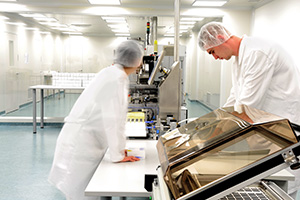
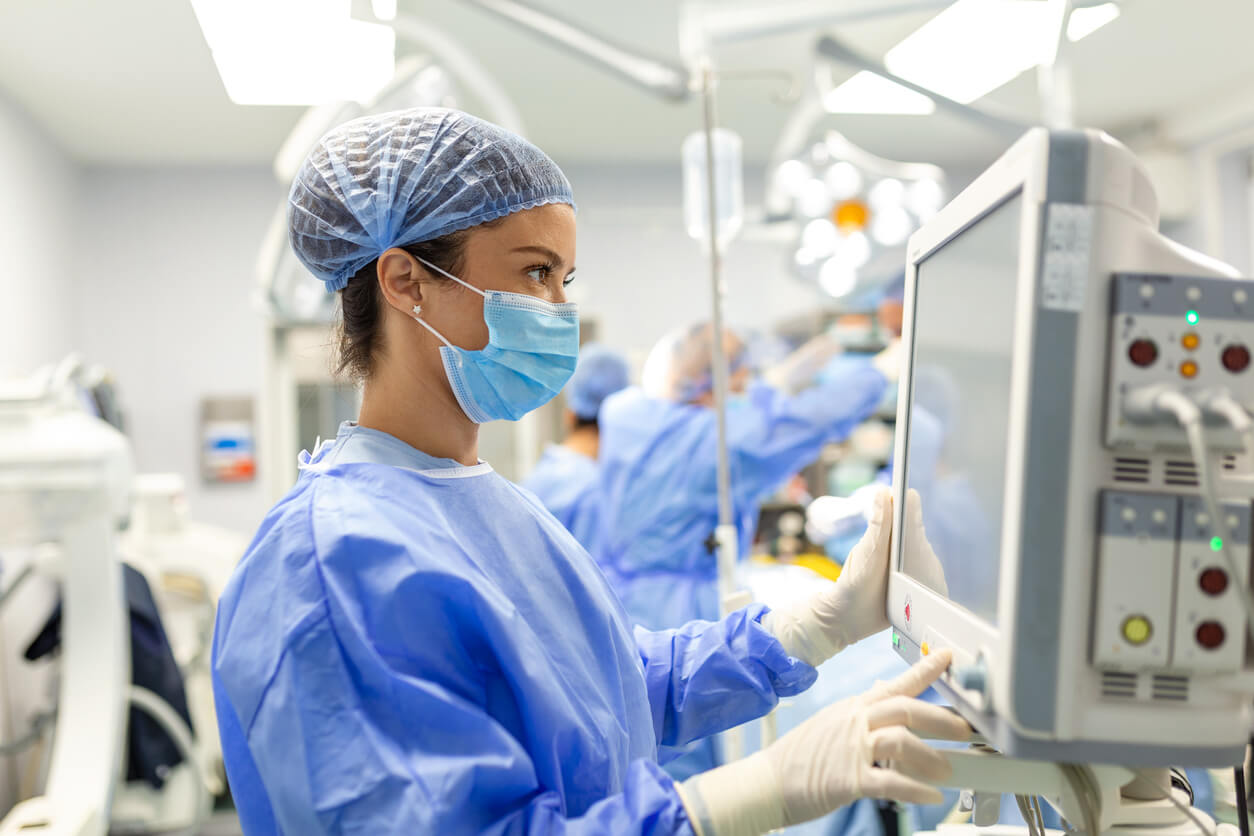
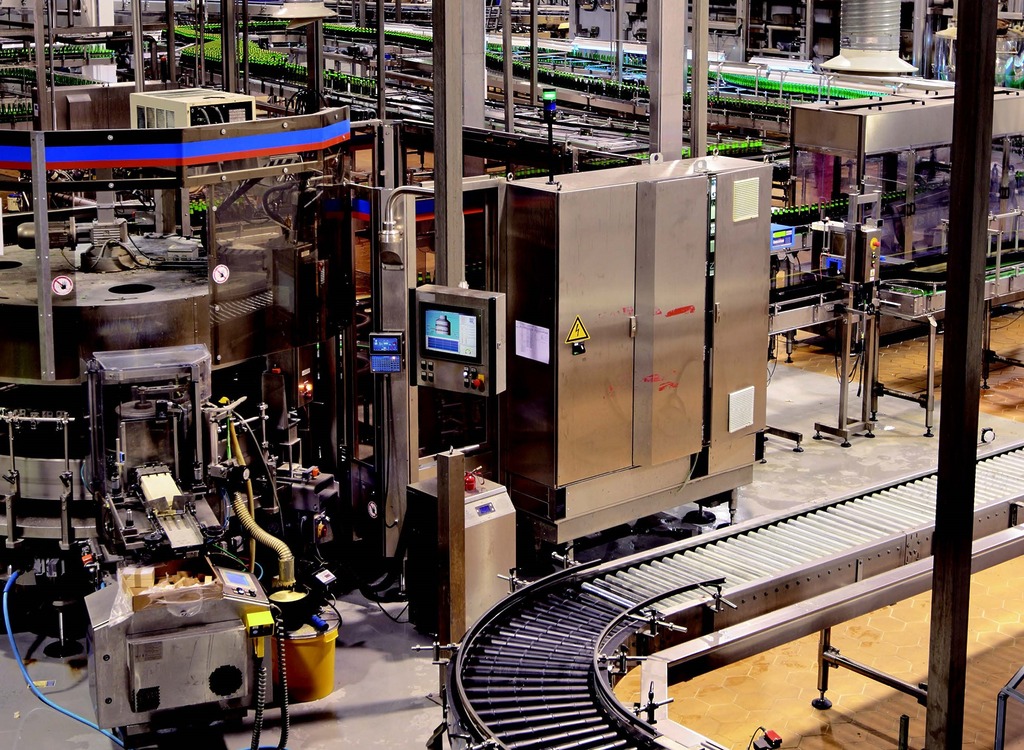
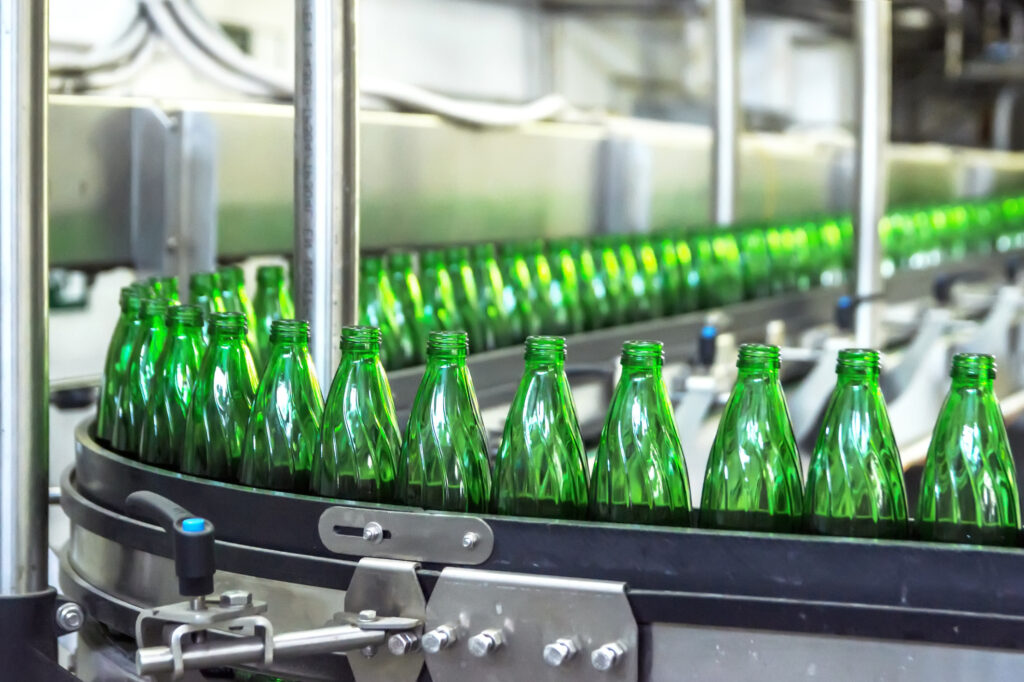
For food and beverage manufacturers, this can mean computers installed near production lines, packaging areas, ingredient handling stations, or washdown zones. For pharmaceutical manufacturers, it can mean hardware used in cleanrooms, batch processing areas, documentation stations, or quality control workflows.
The important point is that IP69K protection is not just about water. It is about keeping the computer reliable in environments where sanitation, uptime, and hardware durability all matter at the same time.
Why Stainless Steel Matters in Sanitary Environments
The enclosure material is one of the first things to consider when choosing a computer for food, beverage, or pharmaceutical automation. Stainless steel is commonly used in sanitary environments because it is durable, corrosion-resistant, and easier to clean than many painted or plastic surfaces.
A stainless steel computer can help reduce common issues that come from using standard PCs in washdown areas. Moisture can damage internal electronics. Painted surfaces can wear down over time. Vents, seams, and exposed components can create places where dust, residue, or moisture collect.
Stainless steel waterproof computers are built to avoid those problems. The exterior is designed for demanding environments, while the sealed enclosure helps protect the system inside.
For operations where cleaning is part of the daily workflow, this matters. The computer should support the sanitation process, not get in the way of it.
Supporting Food and Beverage Automation
Food and beverage facilities depend on automation to improve consistency, reduce manual work, track production, and keep operations moving. Computers on the production floor may support a wide range of tasks, including:
- HMI control
- ERP access
- Recipe management
- Batch tracking
- Quality control
- Labeling and packaging workflows
- Barcode scanning
- Production monitoring
- Data collection
When these tasks happen in a washdown area, the hardware has to match the environment. A standard office PC or lightly ruggedized computer may need to be placed away from the line, protected inside a cabinet, or removed before cleaning. That can make workflows less efficient.
A stainless steel IP69K computer gives operators access to digital systems where they need them. It can be mounted near the process, used throughout a shift, and cleaned as part of the surrounding production area.
For food and beverage manufacturers, that can mean less interruption between production, sanitation, and the next run.
Supporting Pharmaceutical and Cleanroom Workflows
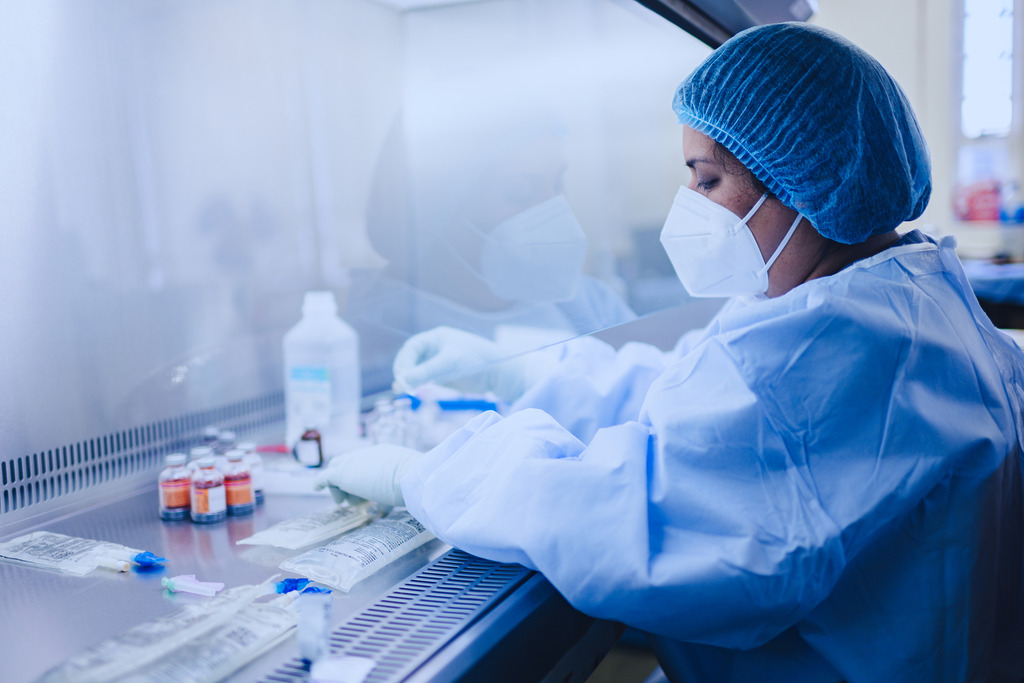
Pharmaceutical environments have different requirements, but many of the same hardware concerns apply. Computers may be used for documentation, process monitoring, inventory control, quality checks, or operator access to software systems.
In these spaces, hardware needs to be cleanable, dependable, and appropriate for controlled environments. Fanless stainless steel computers are often a good fit because they reduce moving parts and avoid the airflow concerns that come with traditional fan-cooled systems.
A sealed stainless steel computer can support cleaner installation, easier wipe-down, and dependable use in areas where dust, moisture, and contaminants need to be controlled.
For pharmaceutical production and cleanroom applications, the value is not only ruggedness. It is confidence that the hardware can support strict workflows without becoming a weak point in the process.
Fanless Design Helps Improve Reliability
Many waterproof industrial computers use fanless cooling. This is especially valuable in food, beverage, pharmaceutical, and cleanroom environments.
Fans pull air through a system. In ordinary offices, that may not be a major issue. In production environments, airflow can pull in dust, moisture, or particles. Fans also add moving parts, which can increase the chance of failure over time.
A fanless stainless steel computer uses passive cooling to help reduce maintenance concerns and support reliable long-term operation. For facilities that run multiple shifts or rely on continuous production, fewer moving parts can be a major advantage.
IP69K Enclosure Protection and IP66 I/O Protection
When comparing waterproof computers, it is important to understand how environmental ratings apply to different parts of the system.
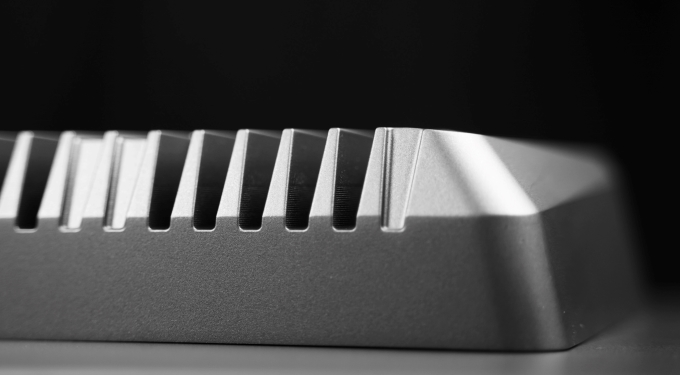
Trident computers are designed with IP69K-rated stainless steel enclosures for intense washdown environments. The I/O protection is rated IP66, helping protect connections against dust and powerful water jets.
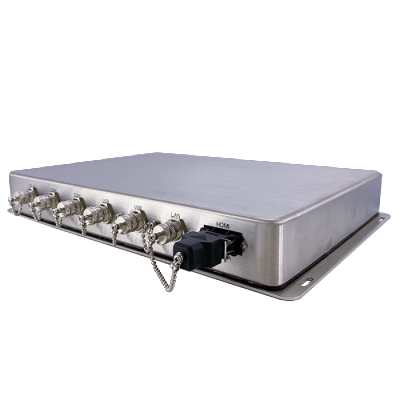
This distinction matters. The enclosure is built for IP69K washdown protection, while the I/O area is protected with IP66-rated waterproof connection options such as M12 connectors or cable gland configurations.
In practical terms, Trident’s enclosure is ready for intense cleaning, and its protected I/O options help keep connections waterproof and secure.
Choosing M12 Connectors or Cable Gland I/O
Waterproof I/O design is a major part of choosing the right computer for a sanitary environment.
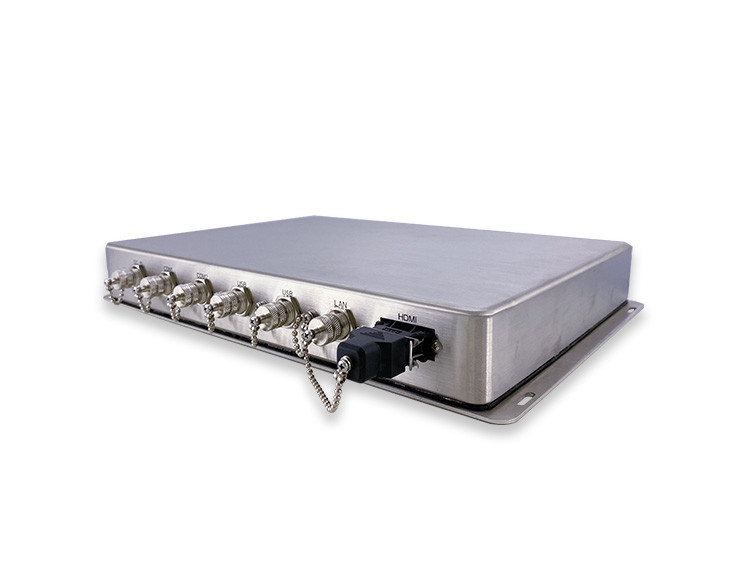
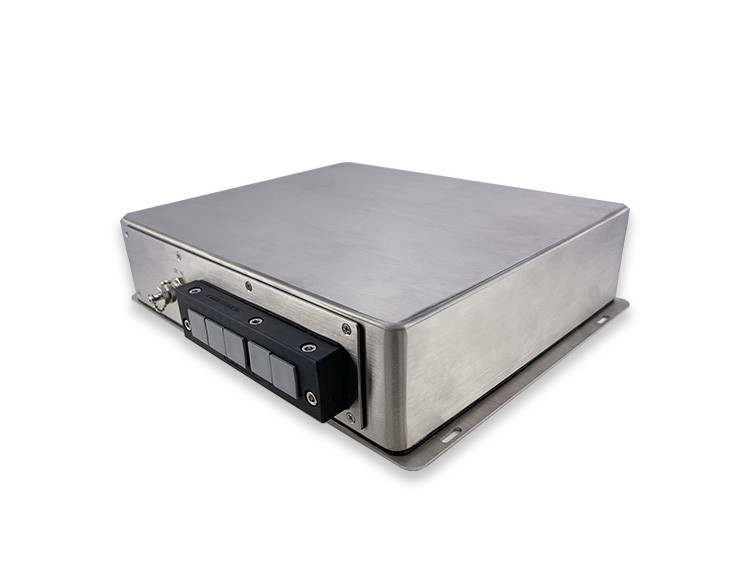
M12 connectors are threaded, IP66-rated waterproof connectors commonly used in industrial applications. They are a strong option when the installation is planned around secure, purpose-built cabling. They help keep connections tight and reduce the risk of cables loosening from vibration, movement, or frequent use.
Cable gland configurations are useful when a project needs more flexibility with standard cables. This can help facilities use existing peripherals, standard USB or LAN connections, or equipment that would be harder to adapt to M12 cabling.
Both approaches can work well. The right choice depends on the installation, connected devices, and long-term maintenance needs.
Why Hardware Choice Affects Uptime
In production environments, computer downtime can affect more than one workstation. If a computer supports labeling, scanning, production records, HMI software, or quality checks, a failure can slow down the entire workflow.
That is why the right industrial computer should be chosen as part of the automation system, not as an afterthought.
A stainless steel IP69K computer can help reduce hardware risk in washdown and sanitary environments by providing:
- Protection from water and dust
- A cleanable stainless steel enclosure
- Fanless operation
- Reliable touchscreen access
- Industrial mounting options
- Waterproof I/O configurations
- Compatibility with production software needs
For system integrators, OEMs, and plant teams, these details make the difference between a computer that simply works on paper and a computer that works in the actual environment.
Where Trident Computers Fit
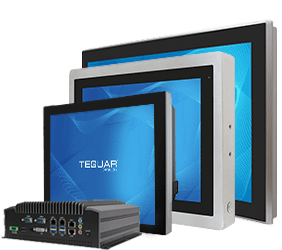
Teguar’s Trident series includes stainless steel waterproof computers for different automation needs.
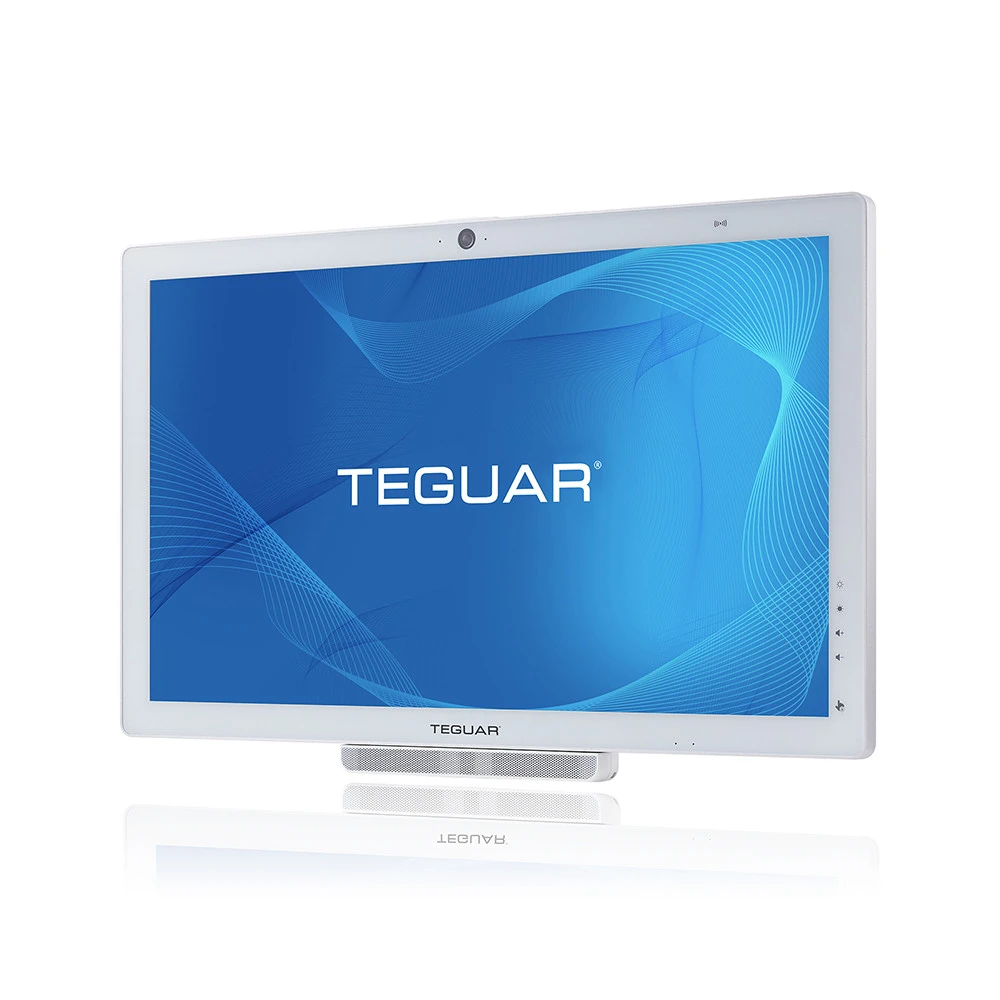
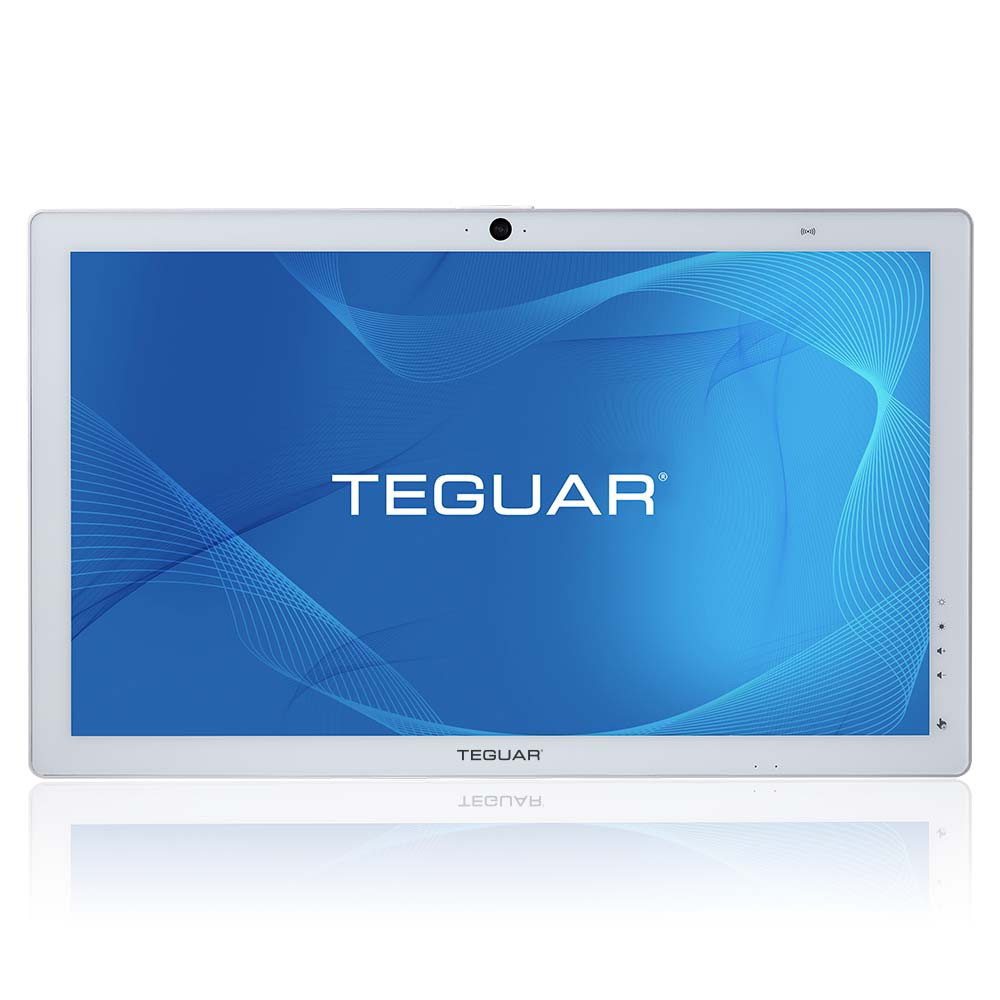
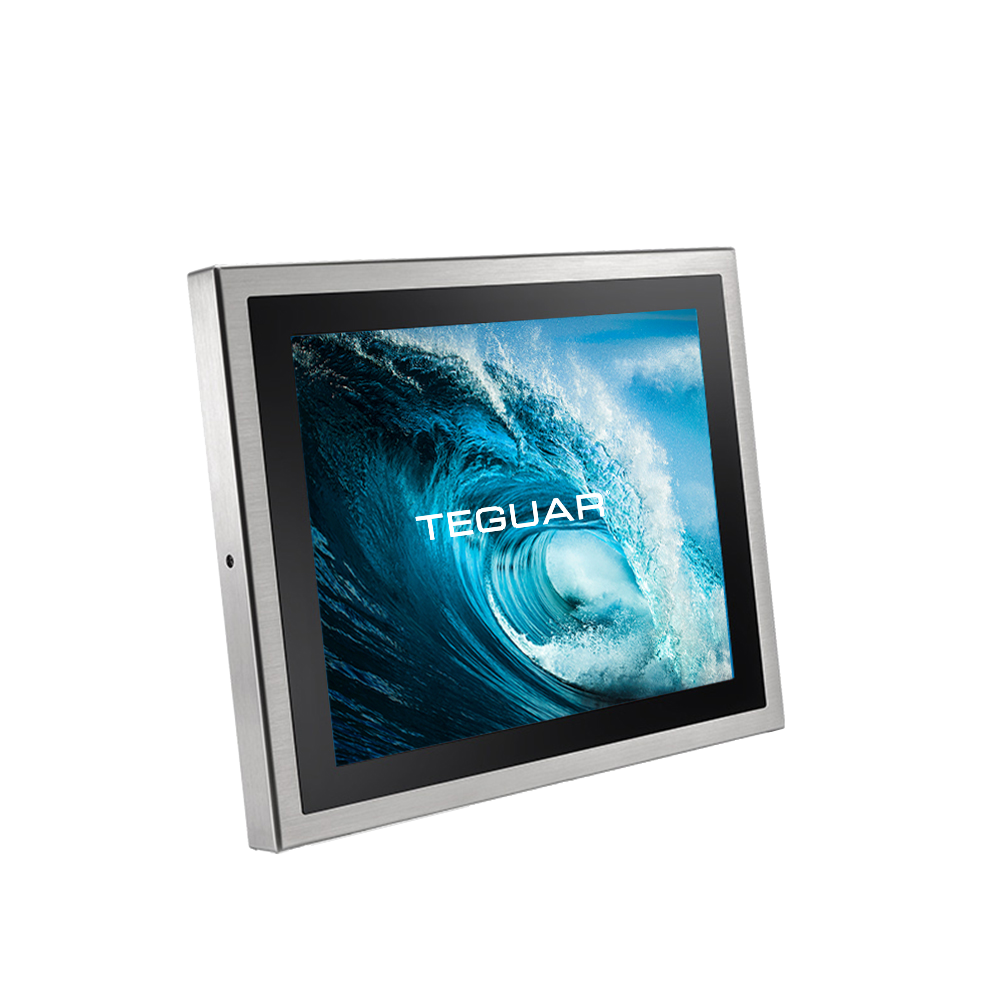
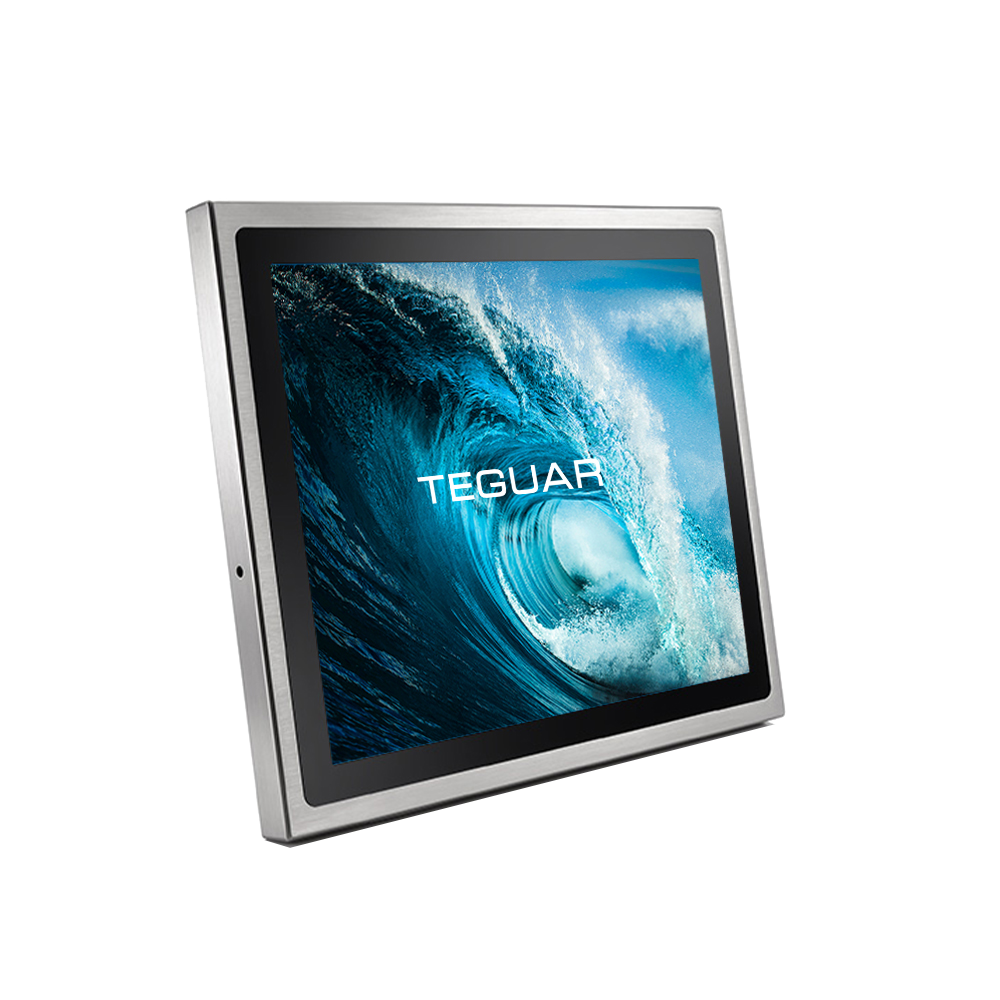
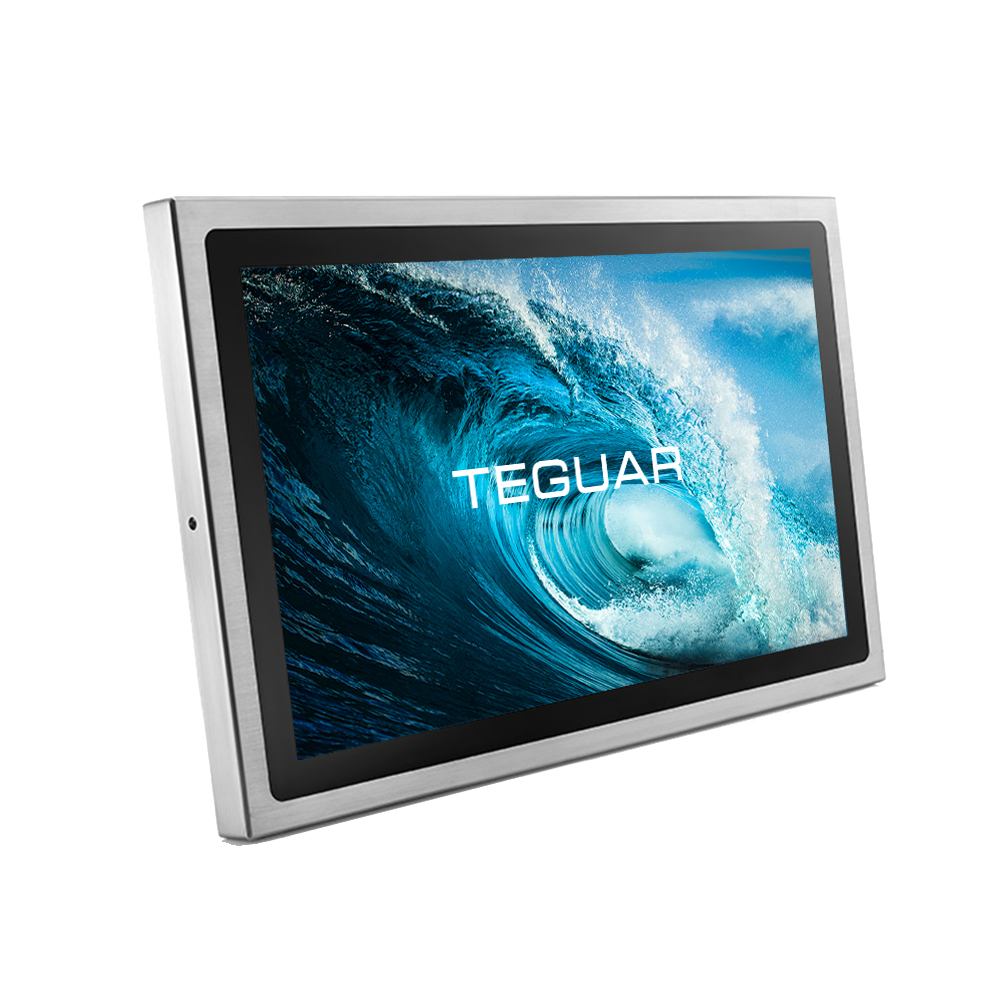
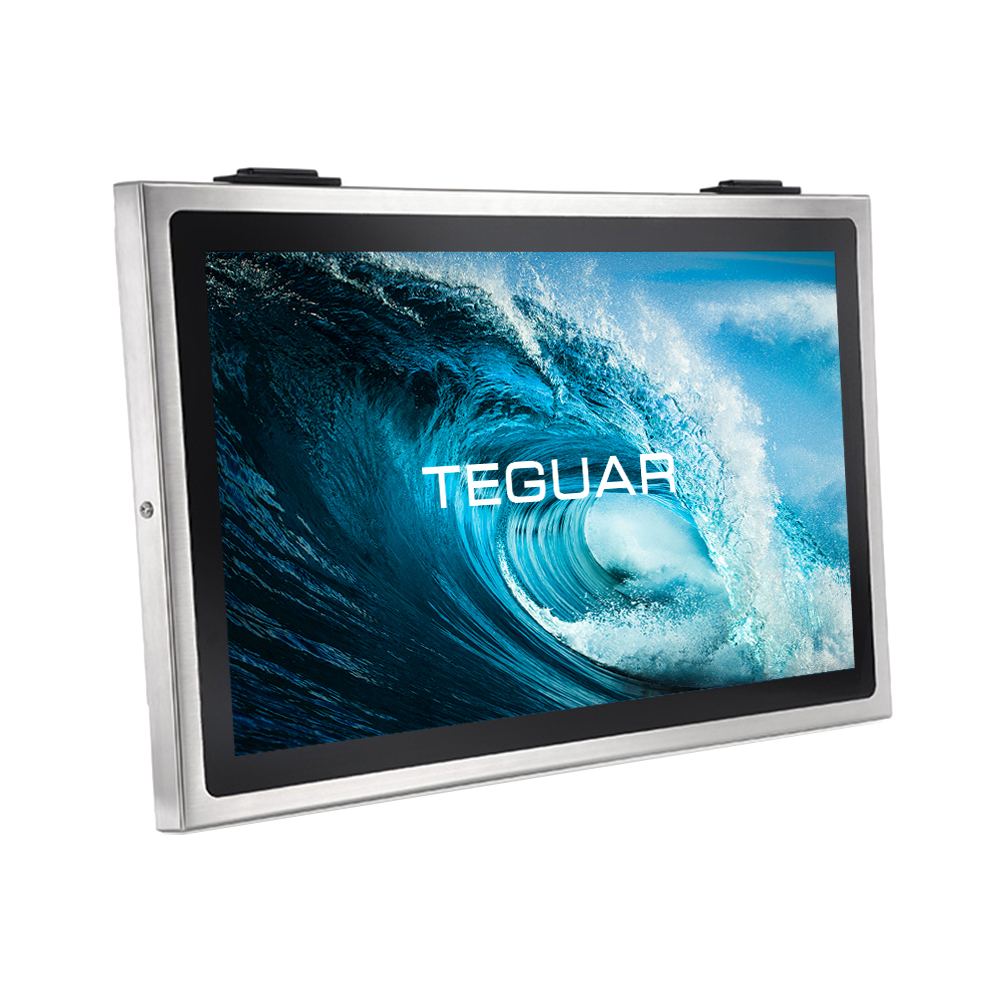
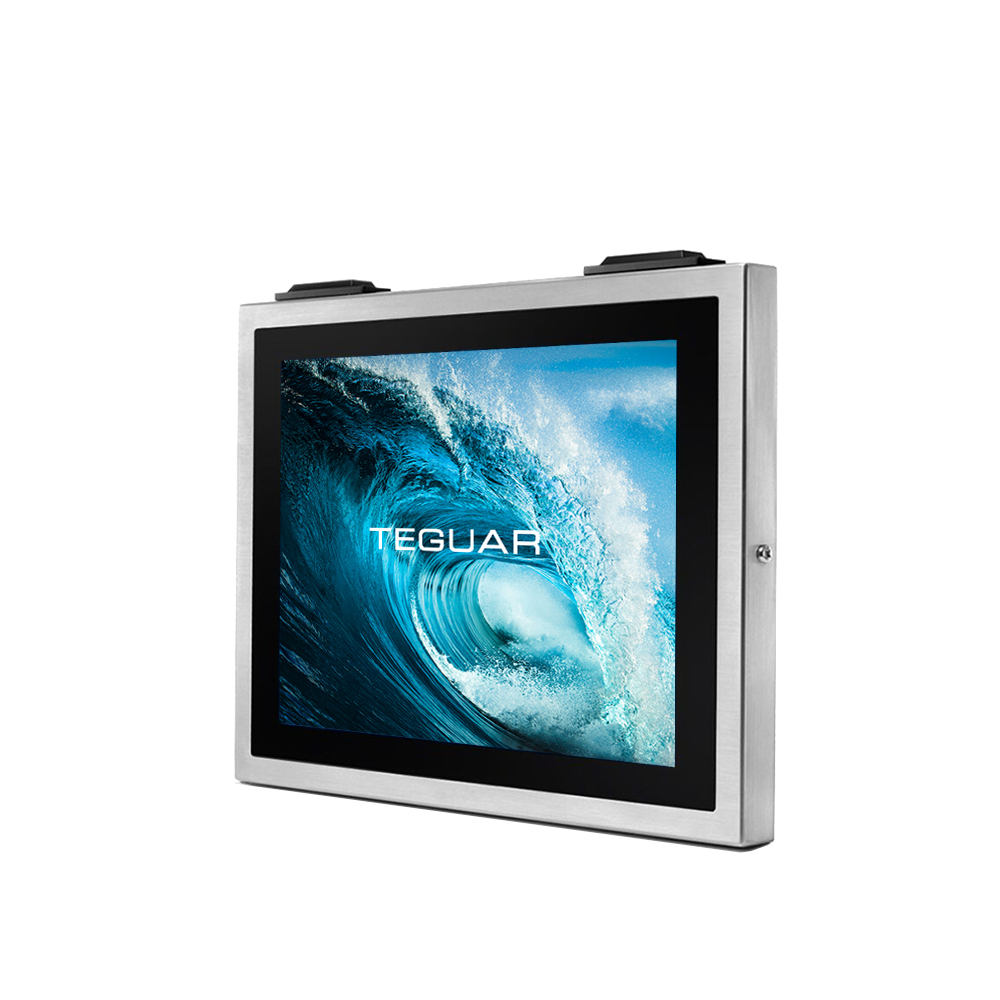
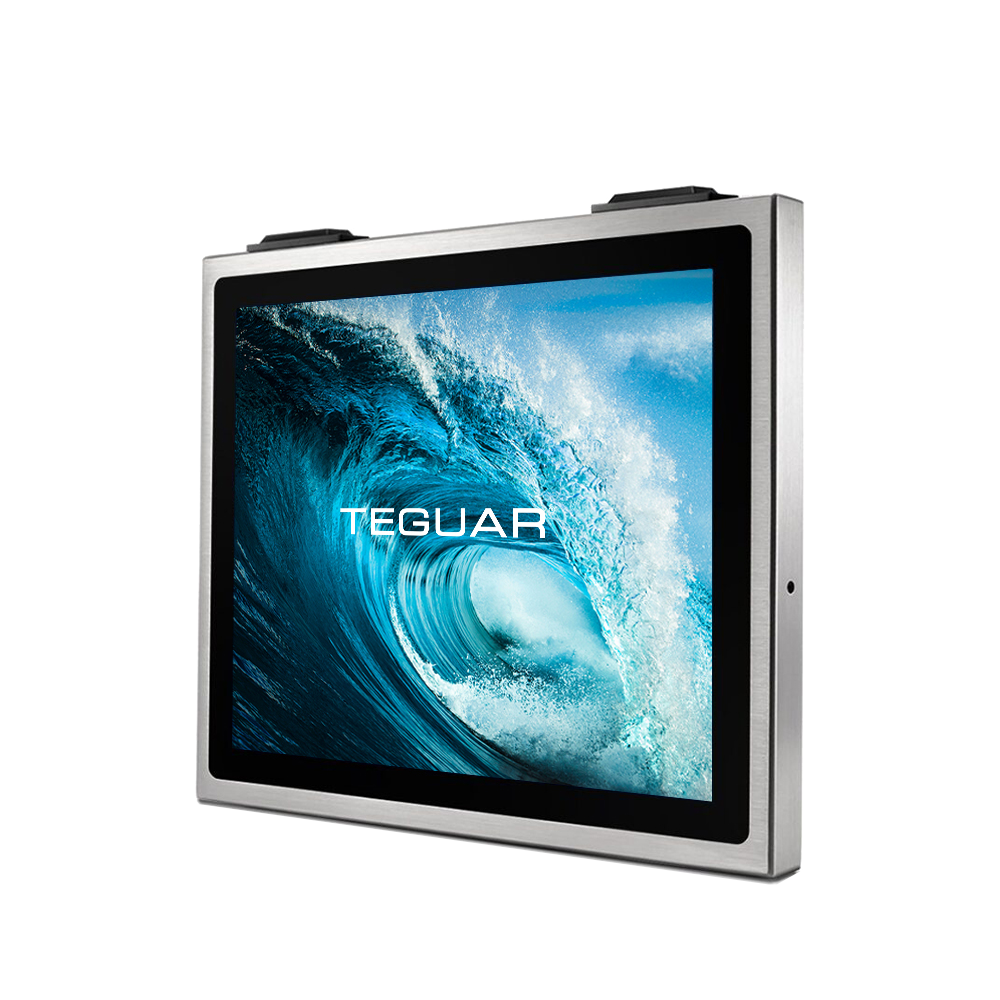
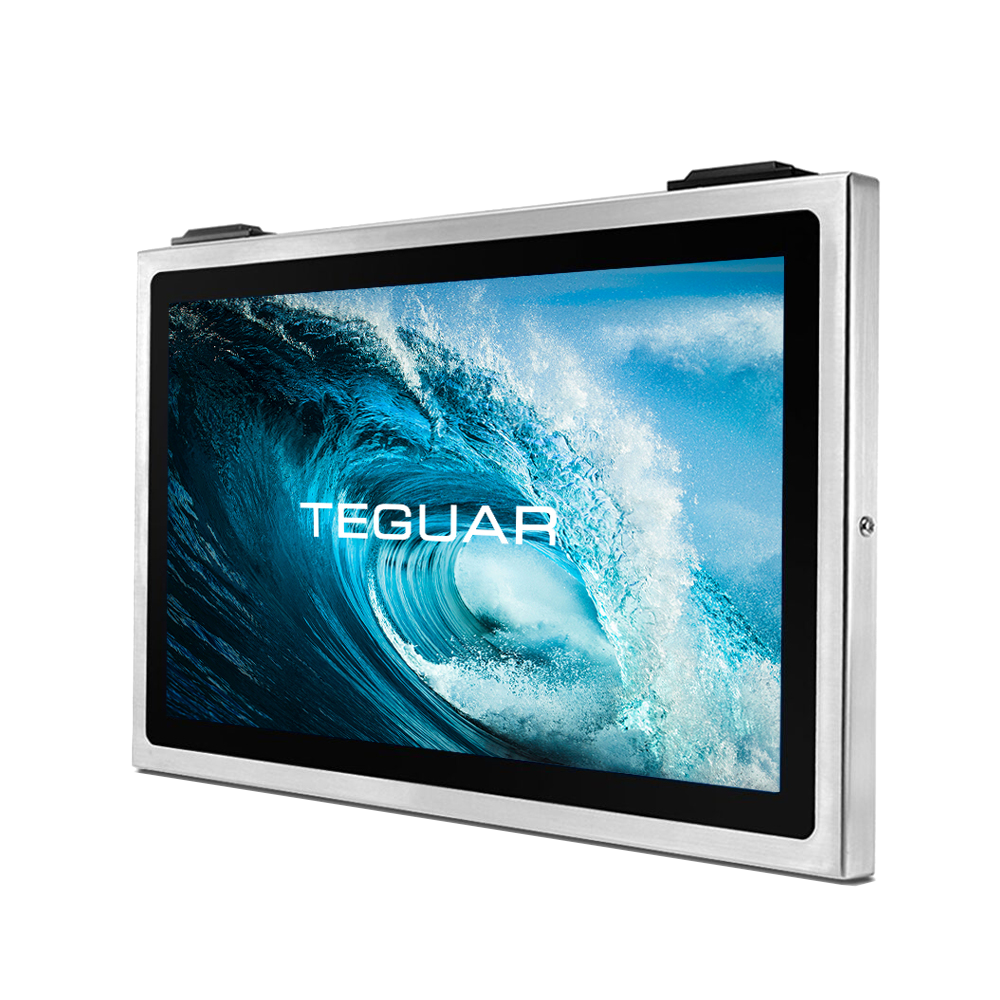
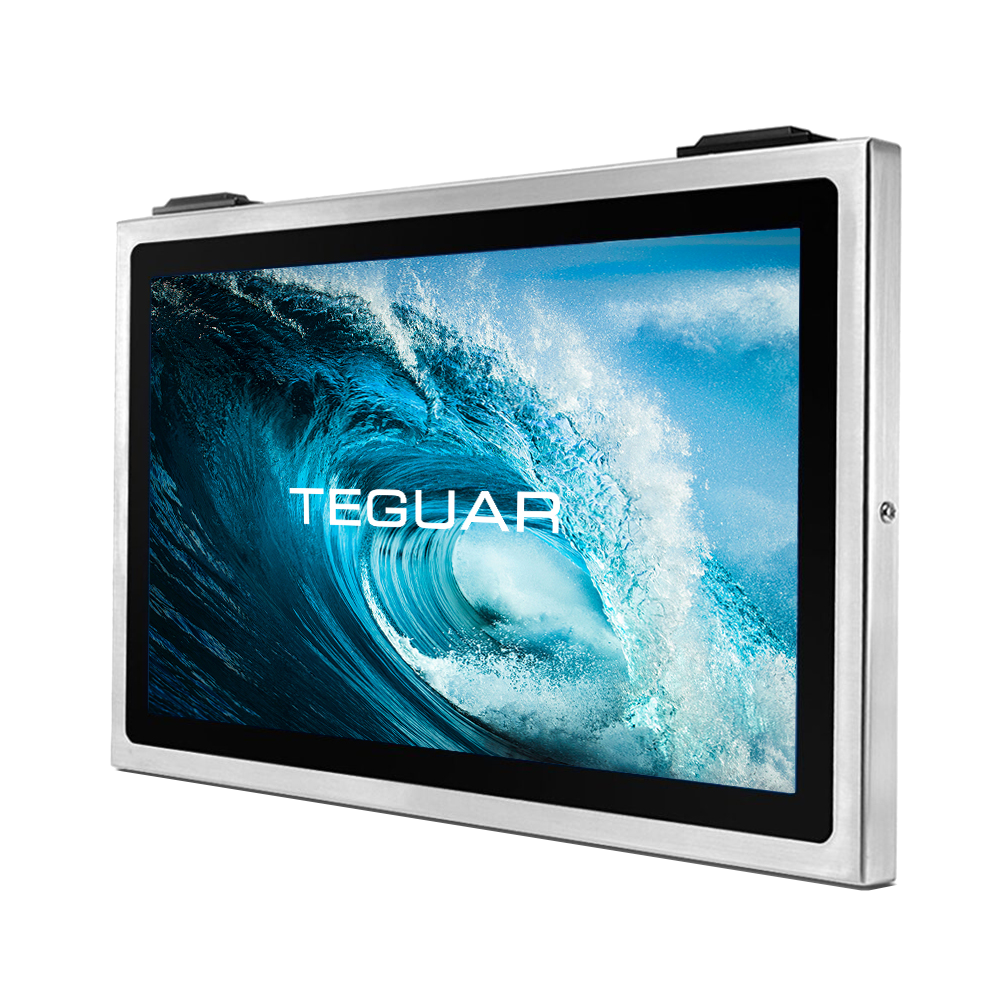
The TS-7010 and TSC-7010 all-in-one touchscreen computers are a strong fit when operators need direct screen access in a washdown or sanitary space. They can support HMI applications, production monitoring, quality workflows, and operator-facing software.
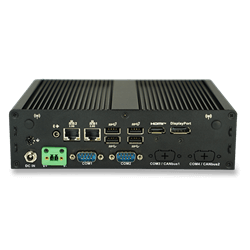
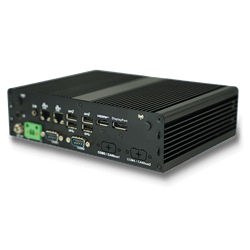
The TWB-7010 embedded stainless steel computer is designed for applications that need waterproof computing power without a built-in display. It can support automation, data collection, monitoring, or other behind-the-scenes computing needs in wet or demanding environments.
With modern Intel processing options, Windows 11 compatibility, stainless steel construction, and waterproof configuration choices, the Trident series is built to support the way industrial teams actually work.
-
TS-7010-15
$4,301.48 -
TS-7010-19
$4,797.56 -
TS-7010-22
$5,222.62 -
TS-7010-24
$5,504.58 -
TSC-7010-15
$4,553.76 -
TSC-7010-19
$5,048.78 -
TSC-7010-22
$5,472.78 -
TSC-7010-24
$5,756.86 -
TWB-7010
$3,489.52
Built for the Environment, Chosen for the Application
Food, beverage, and pharmaceutical automation depends on hardware that can keep up with the environment. A computer may have the right processor, operating system, and software compatibility, but if it cannot survive cleaning cycles or production conditions, it is not the right fit.
Stainless steel IP69K computers help solve that problem. They bring reliable computing into washdown and sanitary spaces while supporting the software, operator access, and data workflows that modern facilities rely on.
For teams building or upgrading automation systems, the best computer is not just the most rugged option. It is the one that matches the environment, supports the workflow, and helps keep production moving.
FAQs
Why are stainless steel computers used in food and beverage manufacturing?
Stainless steel computers are used in food and beverage manufacturing because they are durable, corrosion-resistant, and easier to clean than many standard computer enclosures. They are a strong fit for washdown areas and sanitary production spaces.
What does IP69K mean for a computer?
IP69K means the computer enclosure is protected against dust and close-range, high-pressure, high-temperature water spray. This rating is commonly used for equipment in food processing, pharmaceutical, cleanroom, and other washdown environments.
Are Trident computer I/Os IP69K-rated?
No. Trident’s stainless steel enclosure is IP69K-rated, while the I/O protection is rated IP66. This helps protect the connection area from dust and powerful water jets while keeping the technical ratings accurate.
Why is fanless cooling useful in cleanroom or washdown environments?
Fanless cooling reduces moving parts and avoids pulling air through the computer. This can help improve reliability and reduce concerns around dust, moisture, and airborne particles in cleanroom or washdown environments.
What is the best computer for pharmaceutical automation?
The best computer for pharmaceutical automation depends on the application, but stainless steel waterproof computers are often a strong fit for cleanrooms, batch processing, quality control, and documentation stations where durability and cleanability matter.
Should I choose an all-in-one Trident computer or an embedded Trident computer?
Choose an all-in-one Trident computer when operators need touchscreen access at the workstation. Choose an embedded Trident computer when the application needs waterproof computing power without a built-in display.
Previous Article
How to Choose the Right Trident IP69K Computer for Your Washdown Environment