



Building Better Automation Systems with Trident: A Hardware Guide for Integrators, OEMs, and Software Partners
Industrial automation projects are only as strong as the hardware they run on. Software may control the process, collect the data, and connect the operation, but the computer still has to survive the real-world environment.
For system integrators, OEMs, and software providers, this can create a challenge. A customer may need an HMI station on a food processing line, a thin client in a pharmaceutical facility, or an edge computer near washdown equipment. The application may be clear, but the hardware has to meet environmental, performance, mounting, and long-term support requirements.
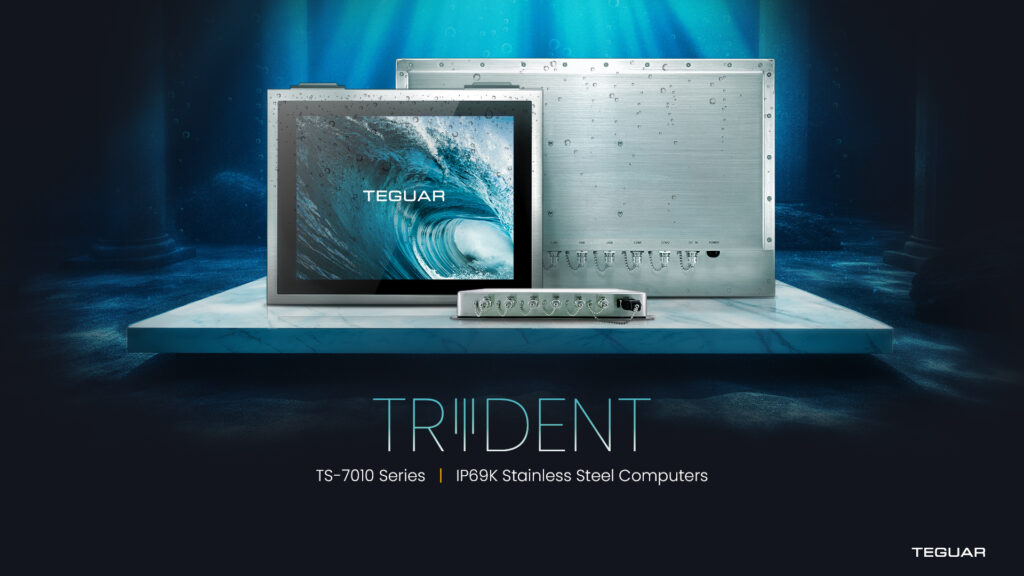
Teguar’s Trident series was designed for these demanding projects. With stainless steel construction, IP69K-rated enclosure protection, IP66-rated I/O protection, fanless operation, and modern computing performance, Trident computers help bridge the gap between rugged hardware and advanced automation software.
Why Hardware Selection Matters in Automation Projects
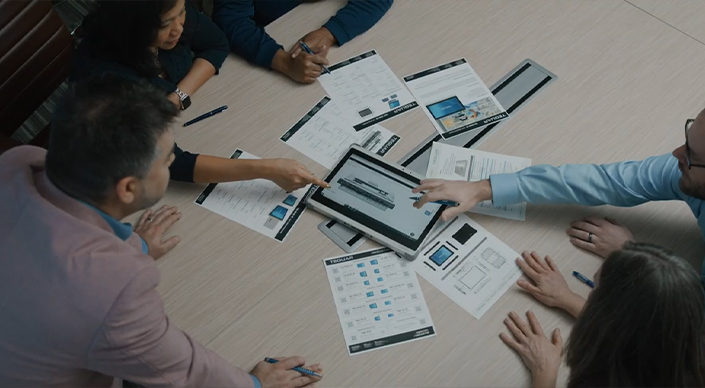
Automation systems are built around reliability. If a workstation fails, the issue can quickly move beyond one screen or one computer. Operators may lose access to HMI controls, production dashboards, quality systems, batch records, or barcode scanning workflows.
That is why industrial computer hardware should be selected early in the project. The right computer can support the full automation system, while the wrong one can introduce downtime, service calls, and costly redesigns.
For integrators and OEMs, this is especially important. Hardware decisions affect installation, cabling, software compatibility, user experience, and long-term product availability. A computer that looks acceptable on paper may not be the right fit once it is installed in a wet, dusty, or sanitary production space.
Where the Trident Series Fits
The Trident series is built for environments where standard industrial computers may not be enough. These stainless steel computers are commonly used in food and beverage processing, pharmaceutical manufacturing, cleanrooms, chemical processing, packaging lines, and other washdown areas.
Trident computers are a strong fit for applications such as:
- HMI workstations
- SCADA terminals
- Thin client deployments
- Production monitoring stations
- Quality control workstations
- Barcode and RFID workflows
- Machine-side operator interfaces
- Edge data collection
- OEM equipment integration
The series gives project teams multiple ways to bring computing power closer to the process, without relying on a standard PC in a cabinet or remote control room.
Choosing the Right Trident Form Factor
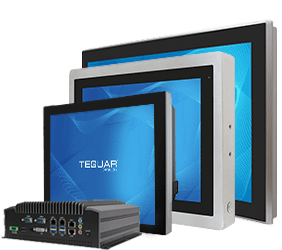
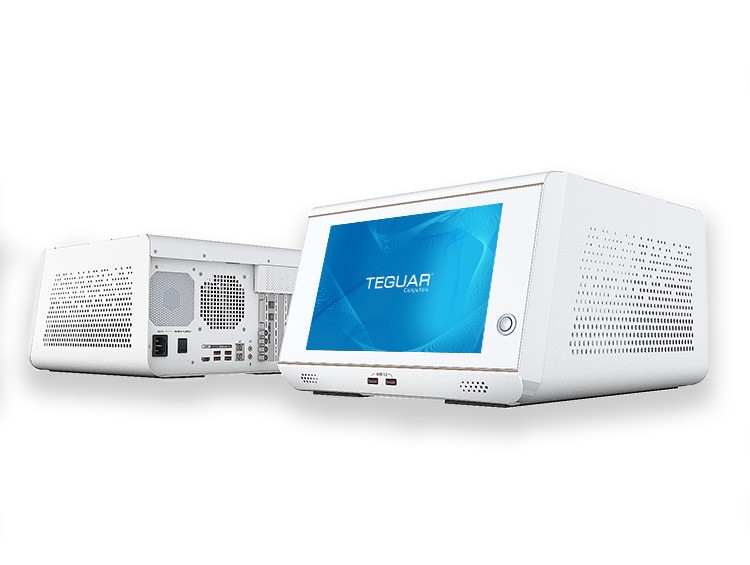
Different automation projects call for different hardware configurations. The Trident series includes both all-in-one touchscreen computers and an embedded waterproof computer.
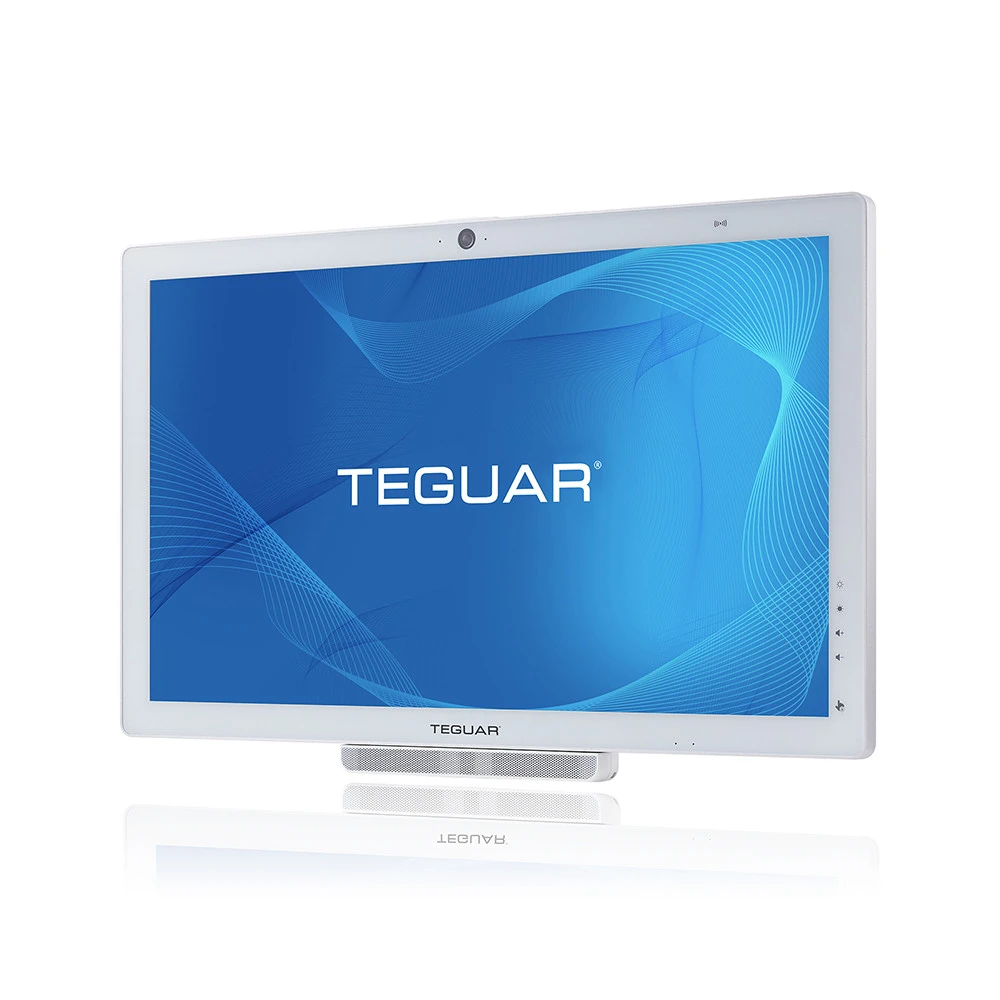
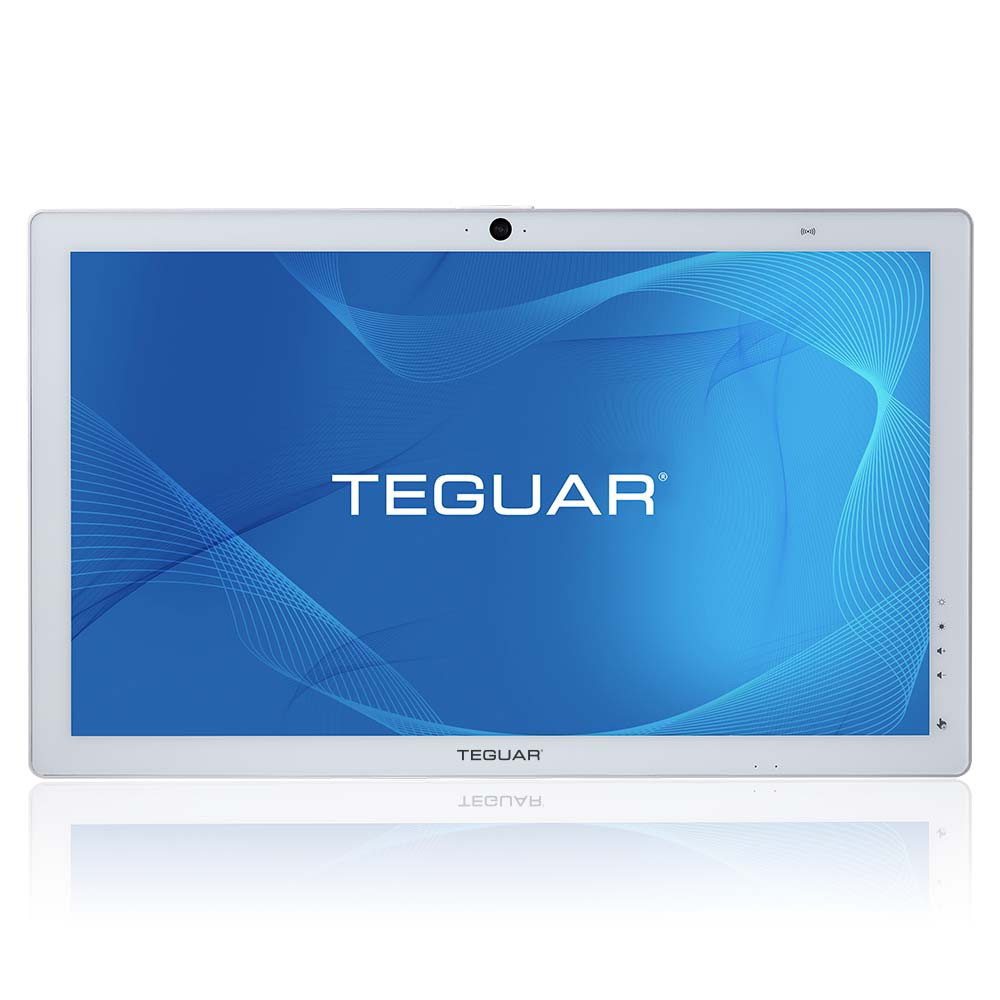
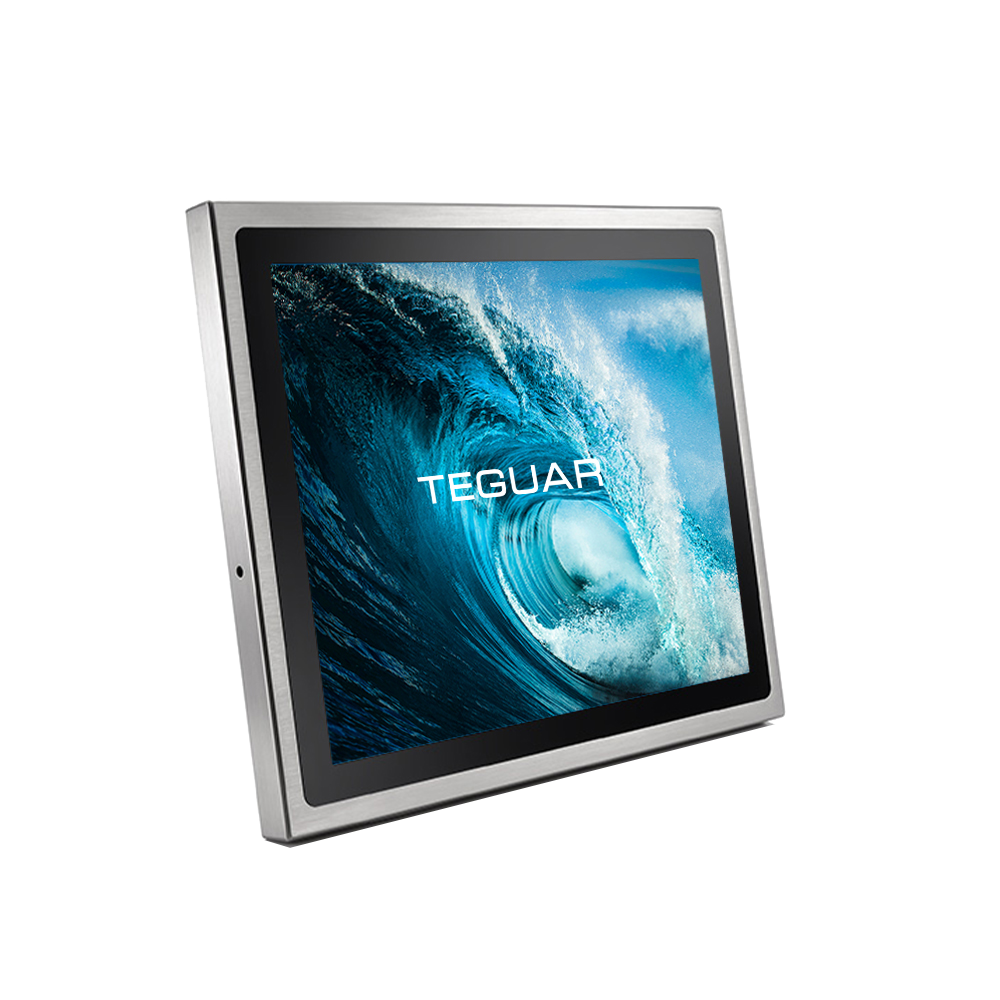
The TS-7010 and TSC-7010 all-in-one computers are a strong choice when operators need direct touchscreen access. These models are well suited for HMI screens, production line workstations, quality checks, and operator-facing software.
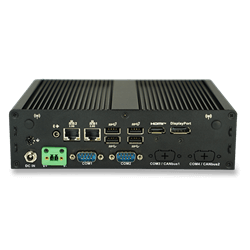
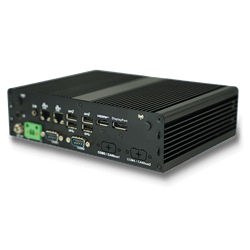
The TWB-7010 embedded computer is a better fit when the system needs waterproof computing power without an integrated display. This can support behind-the-scenes automation, data collection, monitoring, or applications where the display is separate from the computer.
For integrators and OEMs, choosing the right form factor early helps simplify mounting, cabling, software deployment, and service planning.
Supporting Modern Industrial Software
Automation projects increasingly rely on connected software platforms. A facility may need HMI software, SCADA, thin client architecture, ERP access, production reporting, recipe management, or quality documentation.
Trident computers are designed to support modern industrial workflows with Intel processing options, Windows compatibility, and industrial I/O configurations. This makes them a practical hardware platform for software providers and automation teams building systems around factory-floor visibility, operator access, and data collection.
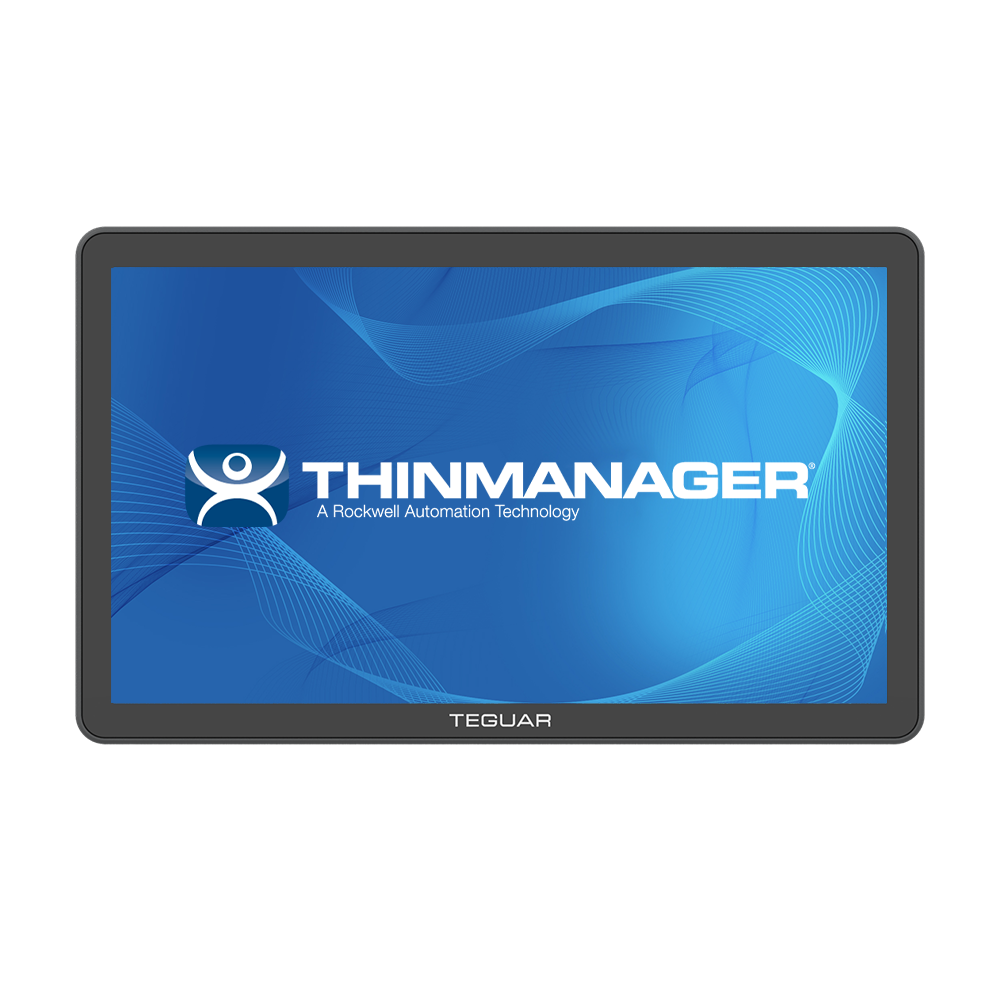
For example, Teguar’s partnerships with industrial software ecosystems such as Ignition and ThinManager reflect a larger trend: hardware and software need to work together. A powerful software platform still needs a reliable device at the edge, on the line, or inside the production environment.
Built for Washdown and Sanitary Spaces
In food, beverage, pharmaceutical, and cleanroom environments, hardware must be more than functional. It needs to be cleanable and durable.
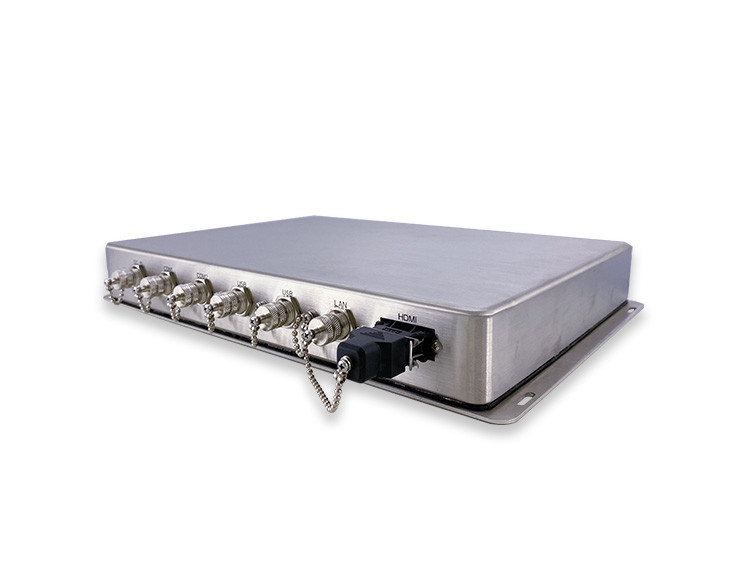
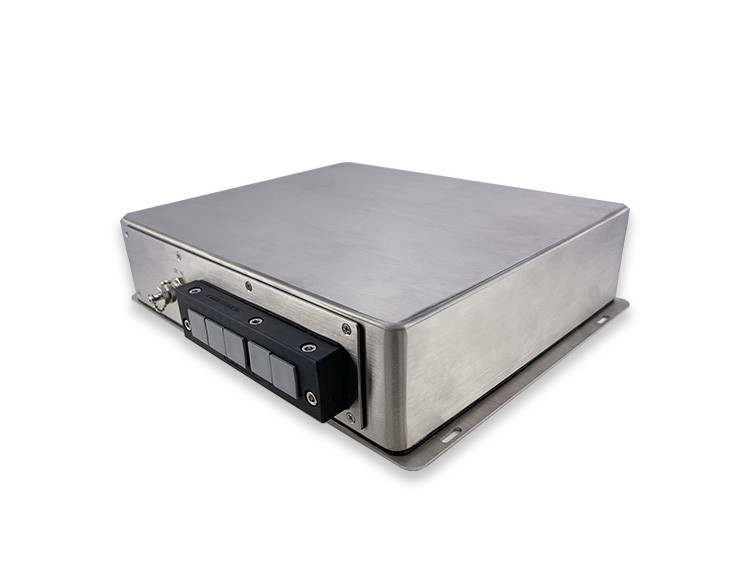
Trident computers use stainless steel enclosures to help withstand demanding production areas. The enclosure is IP69K-rated for intense washdown protection, while the I/O protection is rated IP66 to help keep connections waterproof and secure.
This distinction matters for accurate specification. The enclosure is designed for high-pressure, high-temperature washdown exposure, while the I/O area is protected through waterproof connection options such as M12 connectors or cable gland configurations.
For project teams, this helps reduce risk when placing computing hardware near the actual work being done.
M12 Connectors or Cable Gland: Planning for Installation
I/O planning is one of the most important parts of a successful industrial computer installation.
M12 connectors are threaded, IP66-rated waterproof connectors commonly used in industrial environments. They are a strong fit for projects that need secure, purpose-built cabling and reliable connections in areas with vibration, movement, or frequent cleaning.
Cable gland configurations offer more flexibility with standard cables and existing peripherals. This can be useful when an application needs to support USB, LAN, serial, or other devices without converting everything to M12.
The best choice depends on the project. Integrators should consider the full connected system, including scanners, printers, keyboards, RFID readers, network connections, and any customer-specific equipment.
A Stronger Hardware Foundation for Automation
The best automation systems are designed as complete solutions. The software, computer, cables, mounting, peripherals, and support plan all need to work together.
For system integrators, Trident helps reduce hardware risk in demanding environments. For OEMs, it provides a rugged platform for equipment that may be installed in washdown or sanitary spaces. For software providers, it gives customers a reliable computer option for running applications closer to the production floor.
Choosing the right industrial computer is not just a hardware decision. It is a project decision. With stainless steel construction, waterproof protection, fanless operation, and flexible configurations, Teguar’s Trident series gives automation teams a strong foundation for building systems that perform where they are needed most.
FAQs
What is the best industrial computer for automation in washdown environments?
A stainless steel IP69K computer is often the best choice for washdown automation. It should include a sealed enclosure, protected I/O, fanless operation, and support for the required industrial software.
Is Trident a good fit for system integrators?
Yes. Trident computers are a strong fit for system integrators working in food, beverage, pharmaceutical, cleanroom, and other harsh industrial environments where reliable operator access and waterproof protection are important.
Should OEMs choose an all-in-one or embedded Trident computer?
OEMs should choose an all-in-one Trident computer when operators need a built-in touchscreen. An embedded Trident computer is better when the system needs waterproof computing power without an integrated display.
Can Trident computers support HMI or SCADA software?
Yes. Trident computers are designed for modern industrial workflows and can support applications such as HMI, SCADA, thin client systems, production monitoring, and quality control software.
Trident Series
-
TS-7010-19
$4,797.56 -
TWB-7010
$3,489.52 -
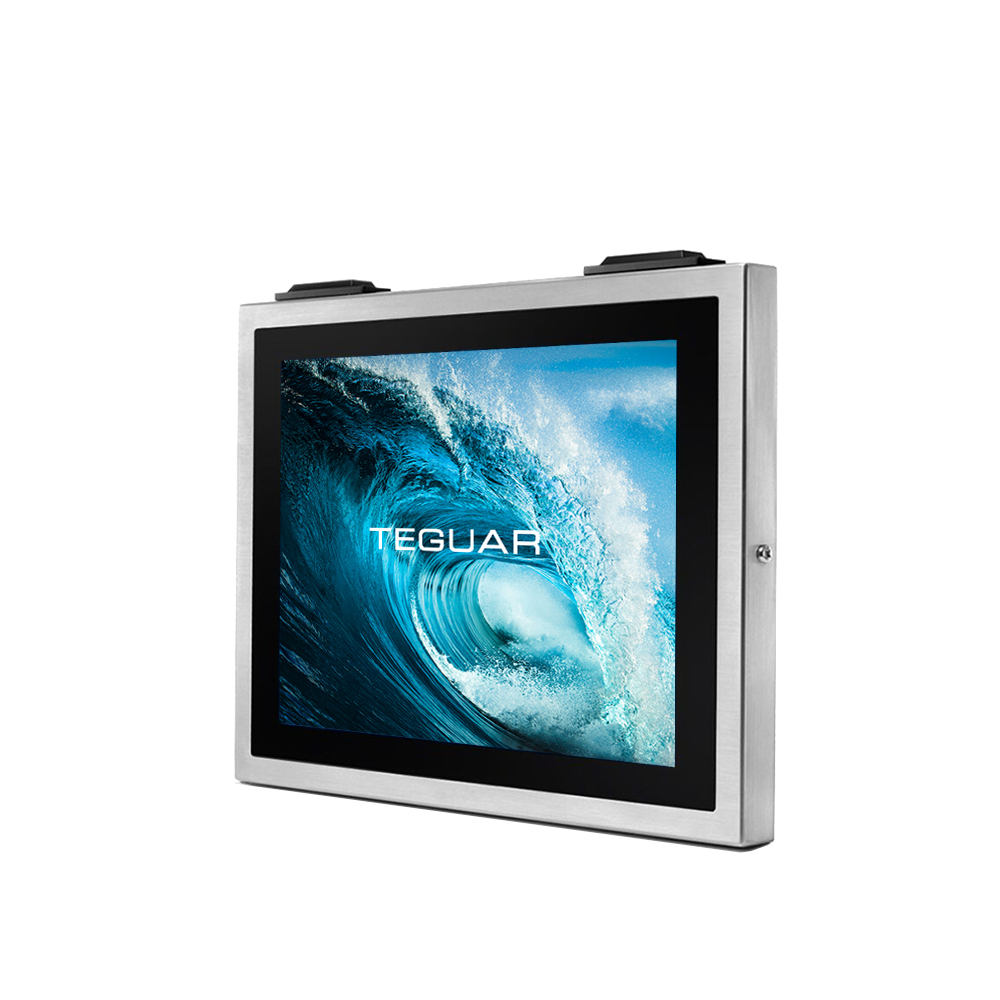
TSC-7010-15
$4,553.76 -
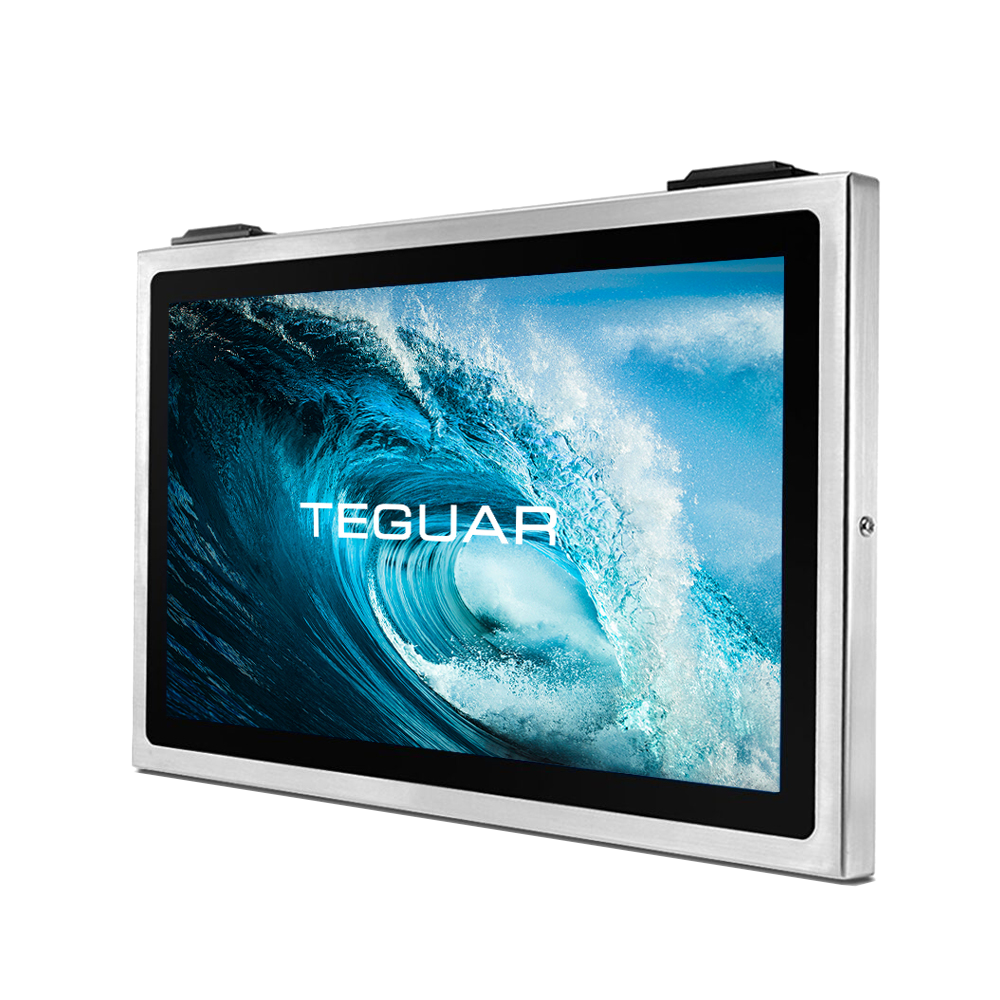
TSC-7010-22
$5,472.78 -
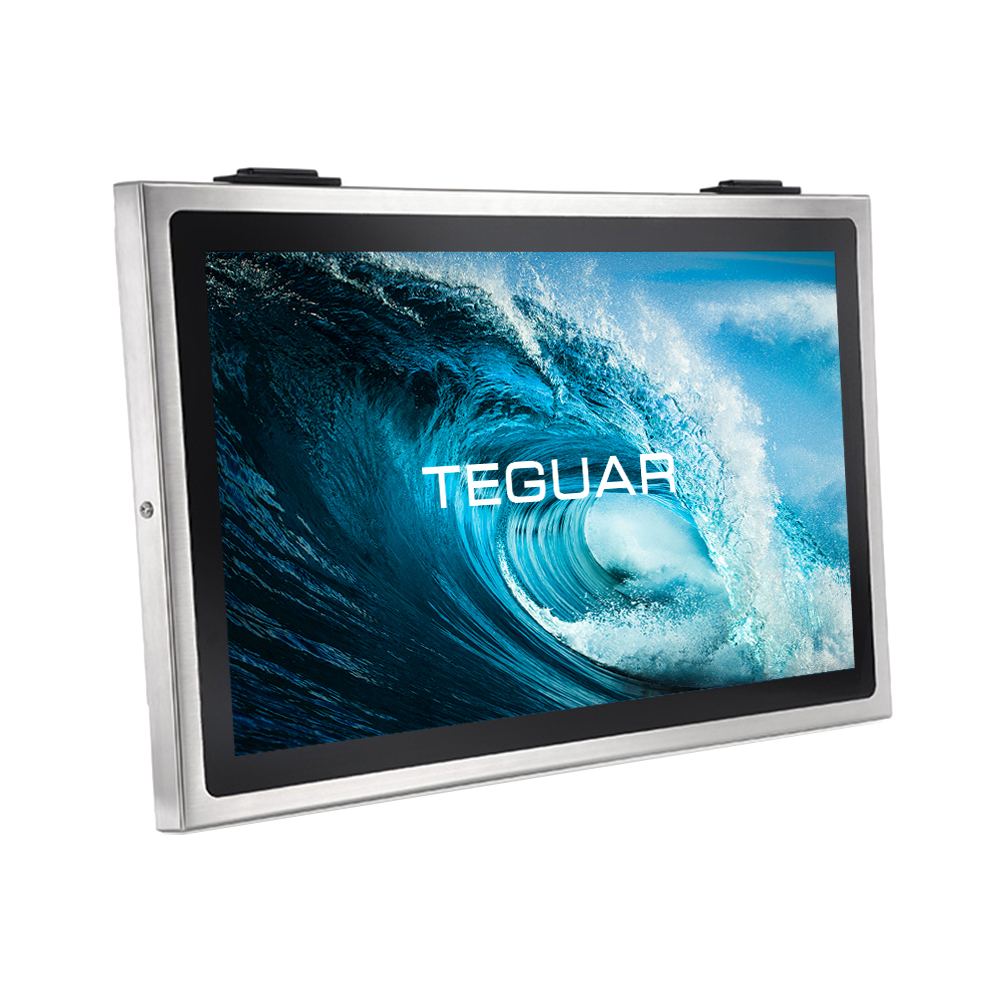
TS-7010-24
$5,504.58
Previous Article
Why Stainless Steel IP69K Computers Matter in Food, Beverage, and Pharmaceutical Automation