




Edge Architecture Decoded: Thick, Thin, and Zero Clients on the Plant Floor
Modern industrial automation demands robust computing solutions tailored to harsh manufacturing environments. Selecting the right hardware architecture can make or break a production line. Choosing between industrial thin clients, thick clients, and zero clients requires understanding their distinct operating philosophies. Each serves a specific purpose in factory automation, warehouse management, and process control.
Thick Clients
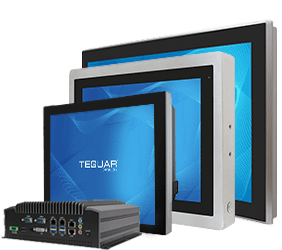
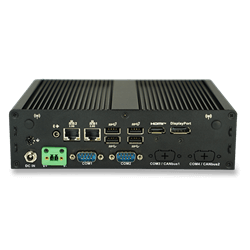
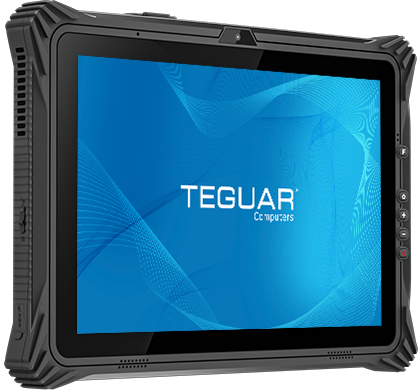
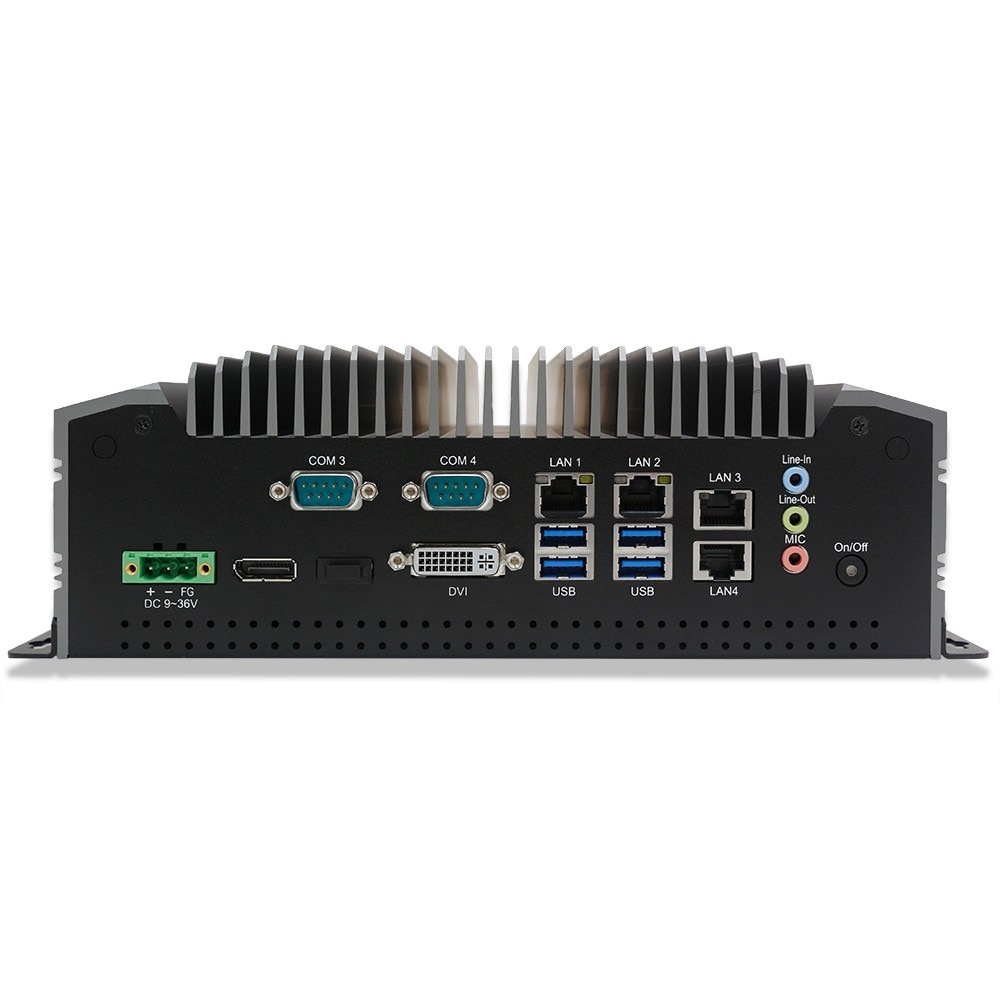
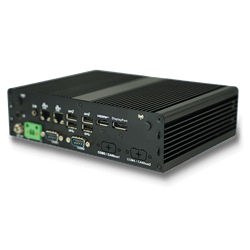
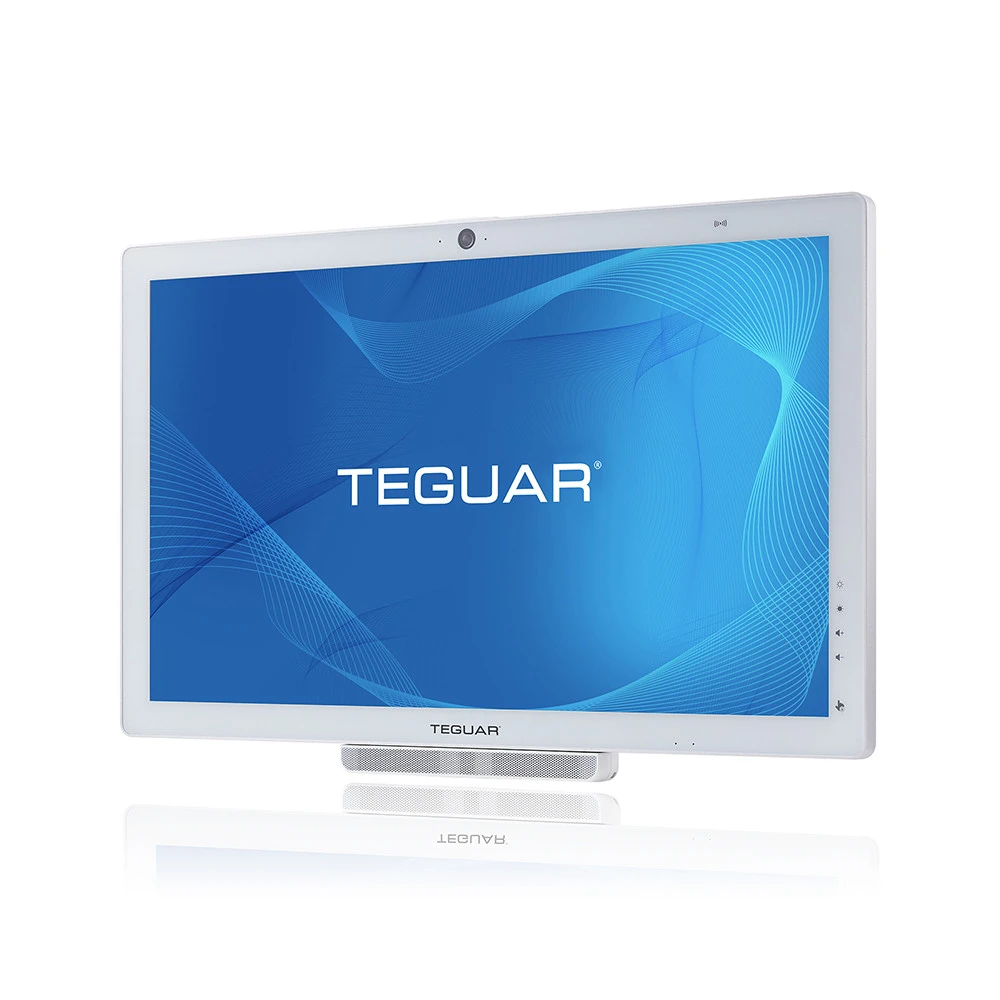
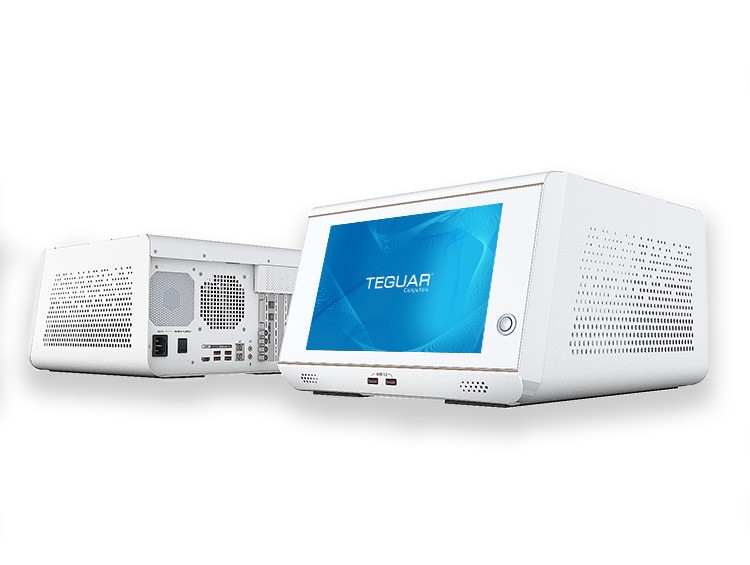
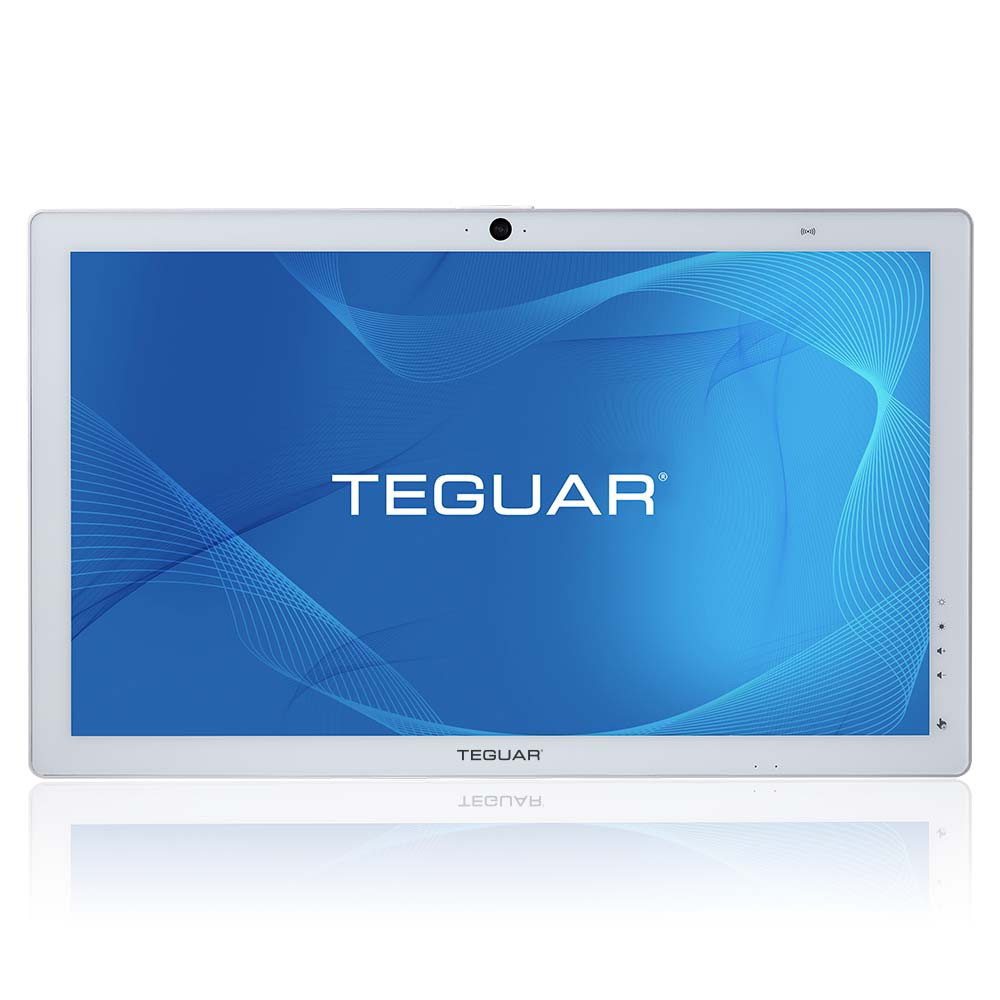
Industrial thick clients are basically industrial computers representing traditional computing power deployed directly to the edge. These industrial computers, including panel pcs, industrial all-in-ones, and hmi panels, operate entirely independently. They feature local processors, dedicated storage drives, and full operating systems running on the plant floor. Local processing means they can handle complex HMI applications, run local databases, and execute heavy software without relying on a network connection. When a factory network drops, a thick client keeps right on running. The catch? That localized power comes with a price tag. Higher hardware costs and increased maintenance overhead make them expensive to scale across dozens of operator stations.
Consider an automotive assembly plant running quality inspection software. A thick client fits this scenario perfectly. The local machine processes high-resolution camera feeds, runs complex image recognition algorithms, and stores daily logs right on the factory floor. Network latency could stall the entire line, so local processing is non-negotiable.
Thin Clients
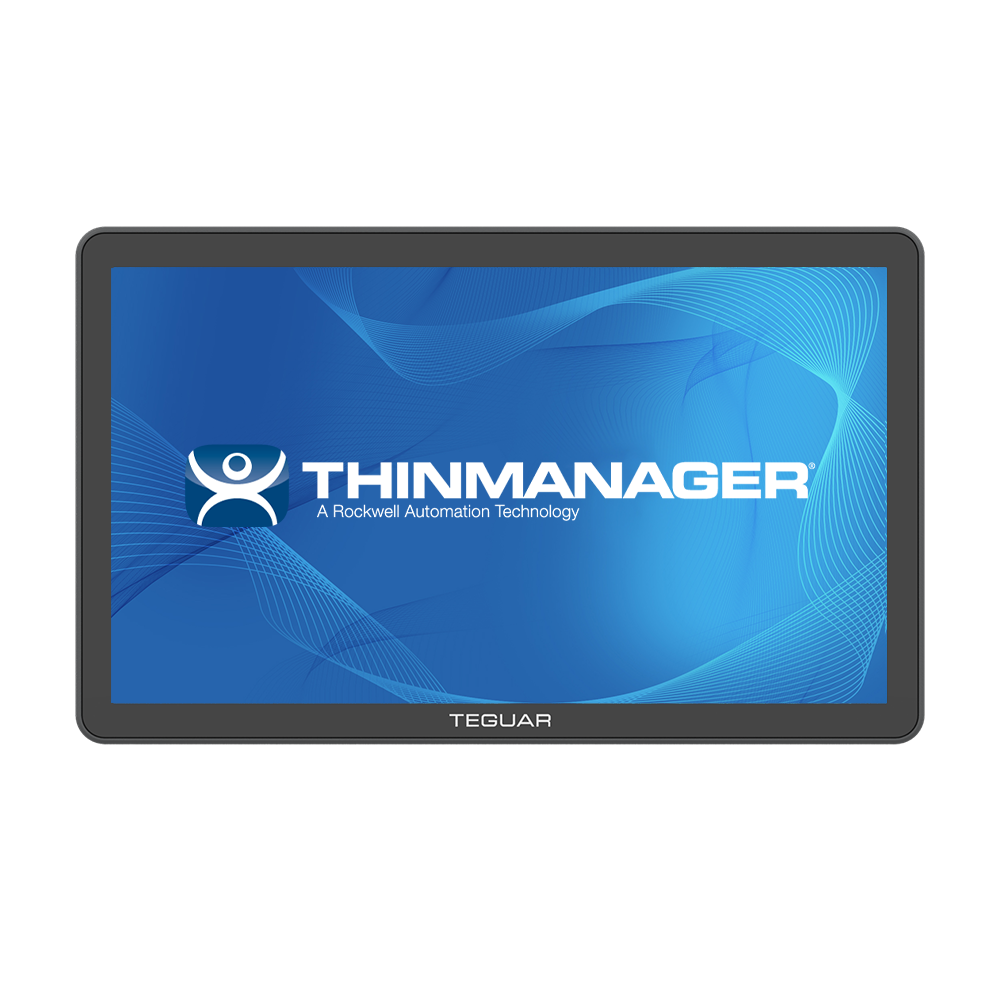
Industrial thin clients take a different approach. These computing systems feature modest local processing power and lightweight operating systems designed primarily to connect to a centralized server. Instead of running heavy applications locally, the thin client logs into a virtual machine or a remote desktop session hosted in the plant’s data center. The server does the heavy lifting while the thin client acts as the window into that virtual environment. Centralized management changes everything for IT administrators. Software updates, security patches, and backups happen once on the server rather than fifty times on individual terminals. Hardware replacement becomes painless when local storage fails because no critical data lives on the edge device itself.
Picture a large logistics distribution center managing hundreds of picking stations. Thin clients excel in this environment. Warehouse workers log into their terminals to access the central inventory management system. If a terminal fails due to dust or physical damage, maintenance swaps out the hardware in minutes without losing data or configurations, keeping shipping schedules on track.
Zero Clients
Industrial zero clients take centralization to the absolute limit. These specialized computers contain zero operating systems, zero local storage drives, and no traditional software stack. Instead, dedicated hardware chips decode the remote display protocol directly from a virtual machine. That total lack of an operating system delivers unmatched security. Malware and viruses require an operating system to execute, leaving zero clients immune to standard software-based cyber threats. Boot times shrink to mere seconds because there is no bloated OS to load.
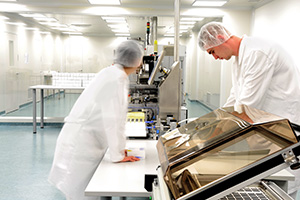
Visualize a pharmaceutical cleanroom environment requiring strict regulatory compliance and extreme physical sanitization. Industrial zero clients shine here. Because they contain no local storage, sensitive pharmaceutical recipes and batch records never reside on the cleanroom floor where they could be compromised. Maintenance teams can easily hose down the sealed hardware without worrying about corrupting an operating system or losing local files.
Which Clients are the Right Solution For Your Needs?
Comparing these three architectures reveals a clear trade-off between autonomy, centralized control, and security. Thick clients offer maximum independence at the cost of high maintenance. Thin clients strike a balance with centralized management and standard remote connectivity. Zero clients maximize security and reliability by stripping away the operating system entirely. Matching the right computing model to the specific demands of the industrial workspace ensures optimal performance, lower downtime, and long-term operational success.
Previous Article
IGEL Brings on Teguar AI-Ready Computers as a Certified Hardware Provider