




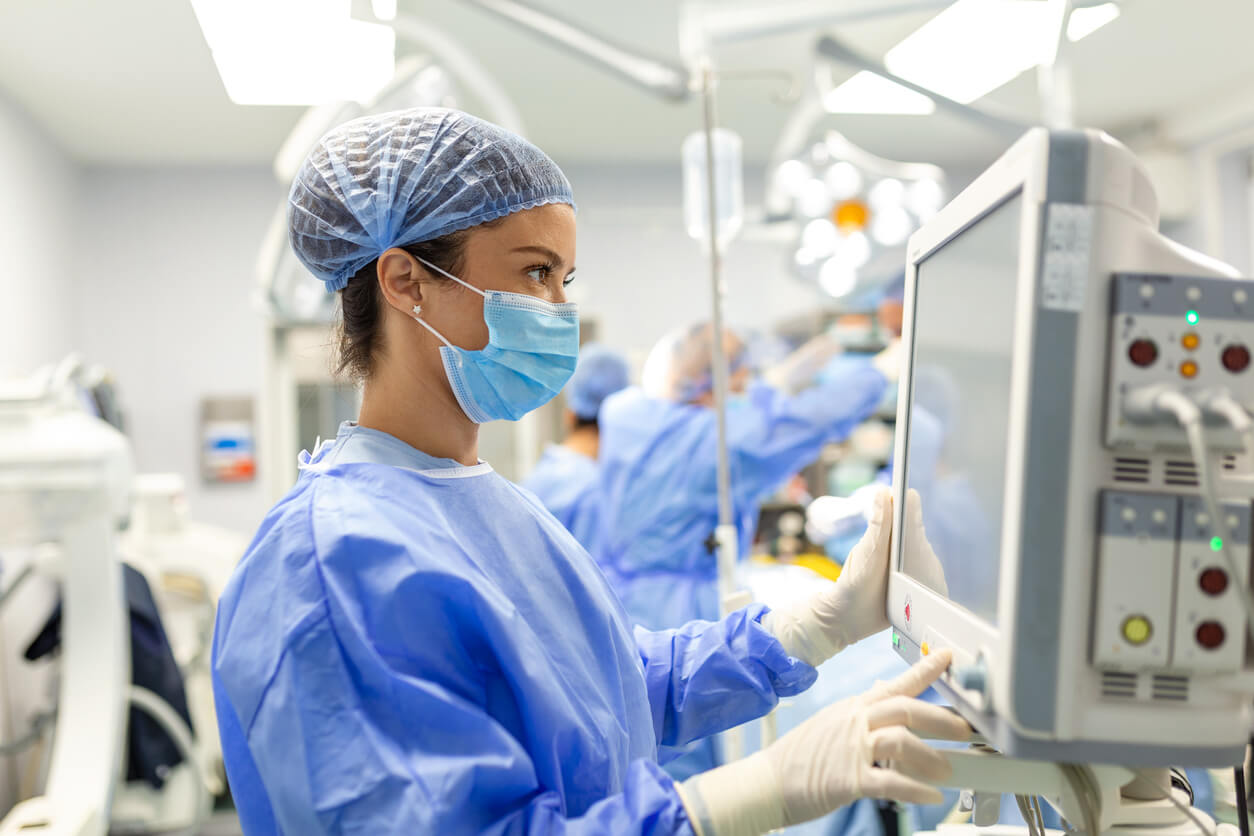
The People Who Use Medical Computers

Picture this: you’re sitting in a doctor’s office, patiently waiting for them to enter the exam room to begin your appointment. Tired of scrolling on your phone, you decide to look up and take in your surroundings. There’s the examination table, a desk with a sink, a couple of chairs and, most likely, a computer with a monitor.
In many healthcare offices around the world, doctors are utilizing what could essentially be described as a desktop computer — the kind of computer you might use at work or in a home office. This is especially true for smaller, family-run practices. Since this is a computer in a medical office, you might consider it a medical computer. But a computer used in a medical setting is not necessarily a medical-grade computer.
We’ve answered the question of what is a medical-grade computer many times over in our long history in the medical space. And the chances of the computer in your doctor’s office being a Teguar medical computer are probably pretty low. That leaves one obvious follow-up question we haven’t touched on before: Who exactly is using Teguar medical computers?
Purchasers vs. End Users
When we speak to potential customers via email or on the phone, we’re typically speaking to professionals like biomedical engineers, clinical engineers, IT leaders, and healthcare administrators who want to buy our products to deploy across their project, product line, or facilities. These individuals evaluate the product and make their decisions based on a wide range of criteria, but in many cases they’re not the ones that end up using the devices they purchase. Those are known as ‘end users’—the “boots on the ground” (or “fingers on the touchscreen”, in this case).
Let’s take a look at the sort of end users that rely on Teguar’s medical all-in-ones, displays, tablets, and embedded computing platforms on a daily basis.
Nurses
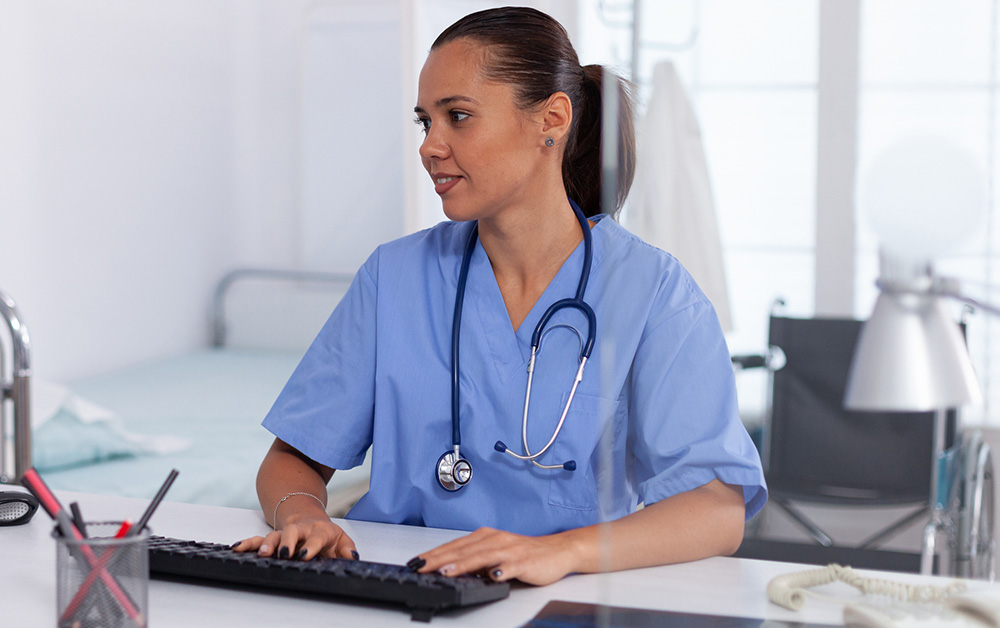
Nurses are among the most frequent day-to-day users of medical computers in a healthcare facility. From bedside charting to reviewing patient information during rounds, they need devices that can move with them and remain dependable throughout long clinical shifts.
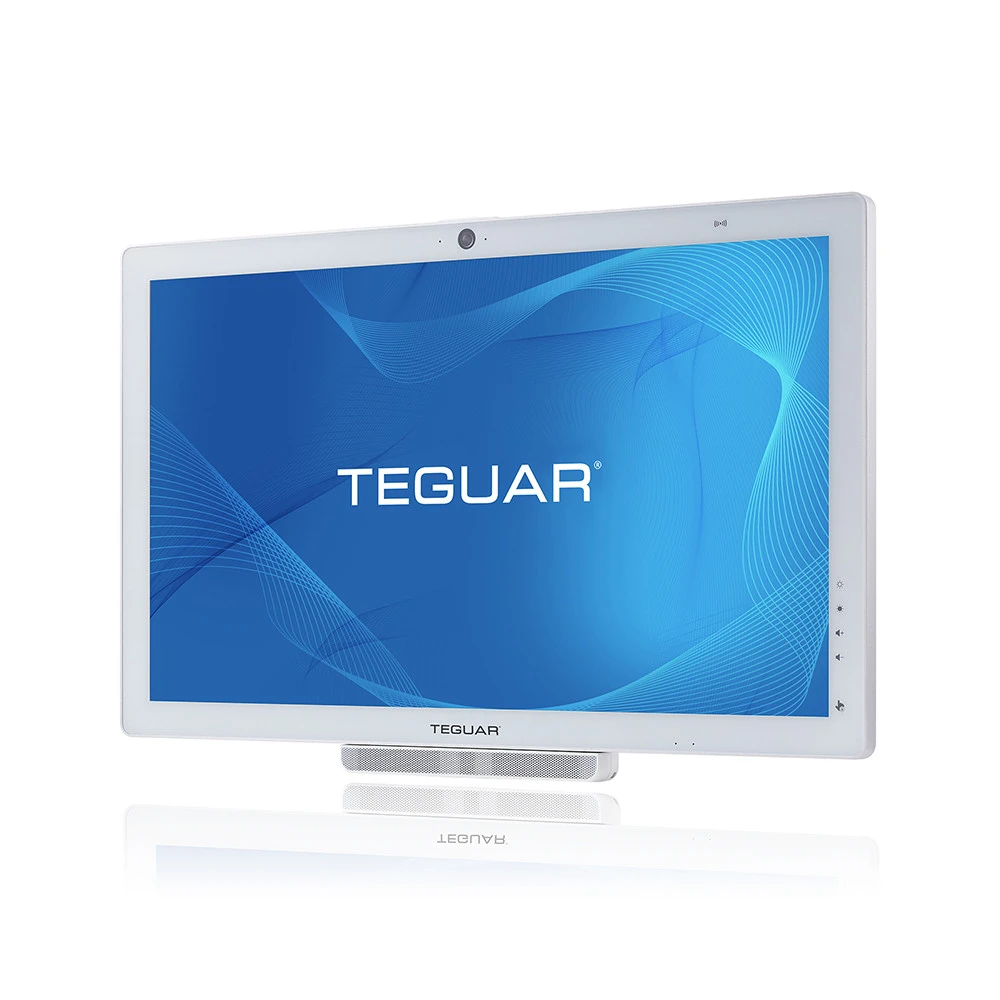
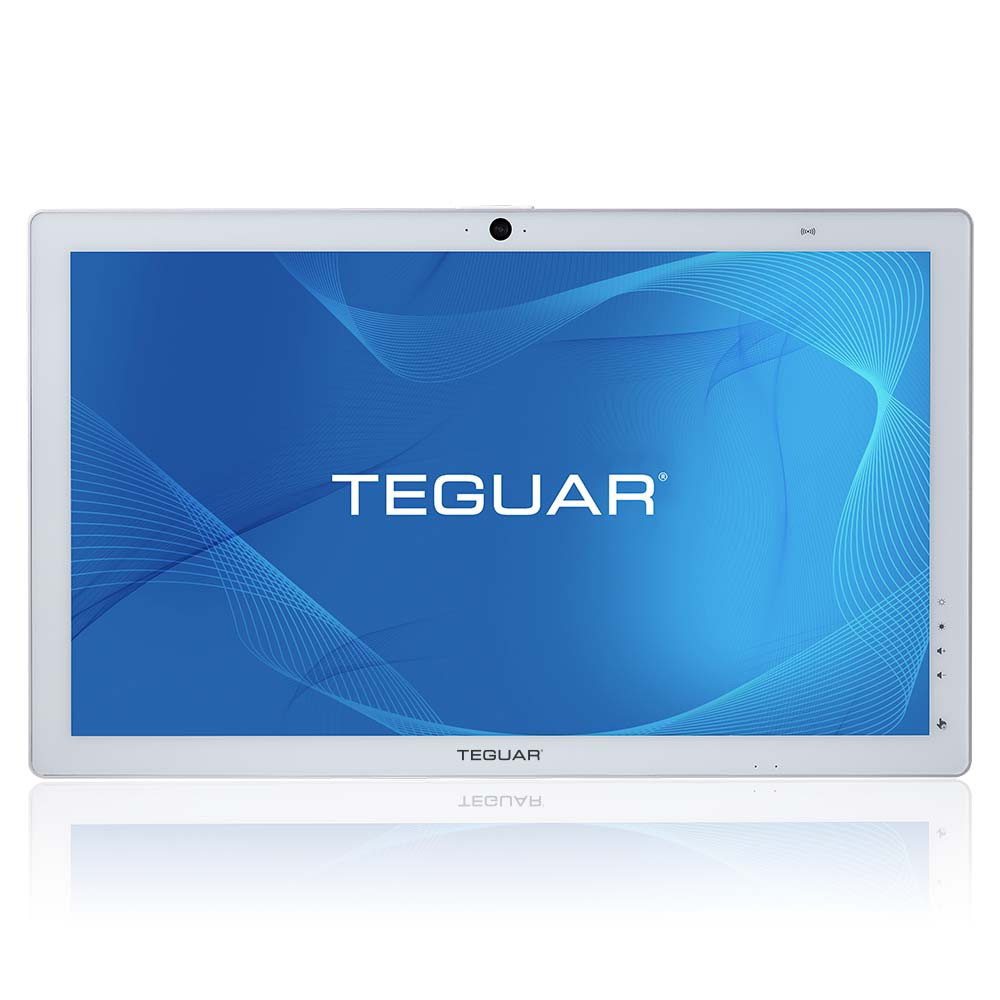
A Teguar medical all-in-one mounted to a workstation-on-wheels can support room-to-room workflows, while medical tablets offer another option for quick access to charts and clinical applications. In either form factor, the goal is the same: give nurses reliable access to information at the point of care.
Since these devices may be used across multiple rooms and by multiple caregivers, easy-to-clean surfaces are especially important. Features like touchscreen operation, dependable power options (like hot-swappable batteries), and docking or charging solutions can also make a difference in fast-paced care environments where time and mobility matter.
Doctors
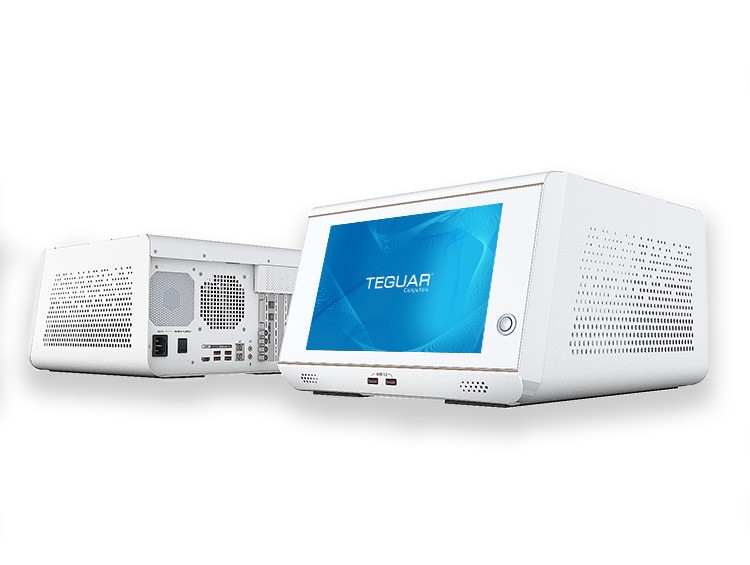
For physicians, a Teguar medical computer can serve as a practical point-of-care tool for accessing patient charts, reviewing information, and working within clinical software workflows. These systems may be mounted to a workstation-on-wheels, installed in an exam room, or deployed in other point-of-care environments.
Teguar medical computers and tablets are well-suited for many Windows-based clinical applications, including EHR-access workflows, depending on the healthcare system’s software environment, configuration, and IT requirements. They can also offer a familiar PC-like user experience in Windows-based deployments, with touchscreen convenience and optional keyboard-and-mouse input when needed.
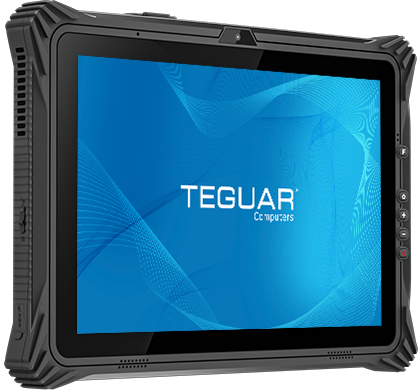
Teguar also designs medical tablets that are portable enough for point-of-care use while still offering enough screen space to review charts and other clinical information in detail.
Allied Health Professionals, Specialists, and Technicians
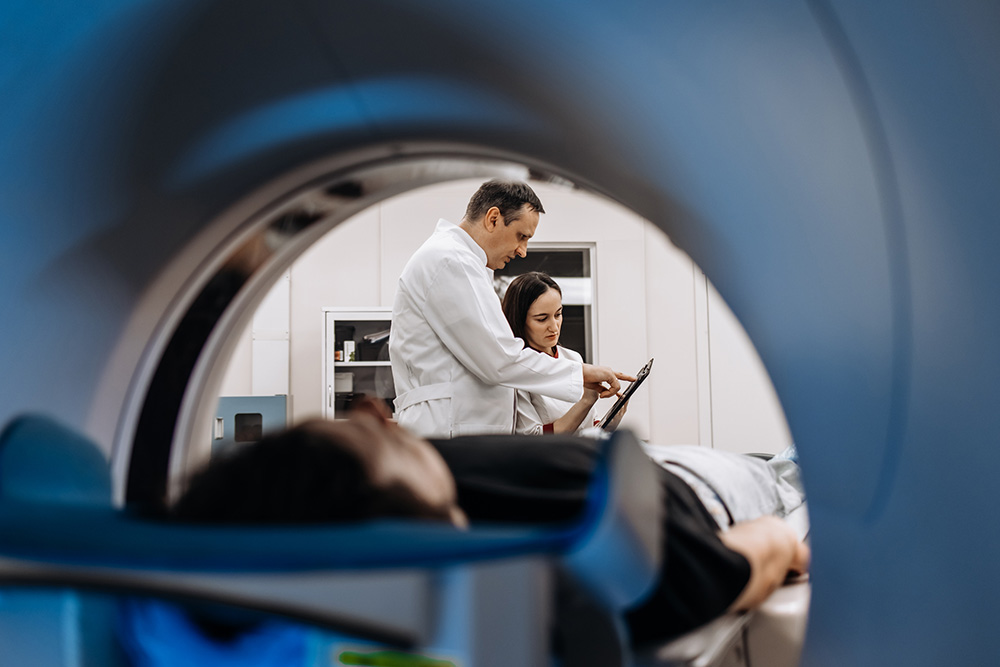
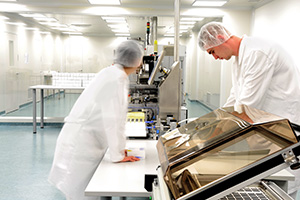
Not every end user of Teguar medical hardware is a physician or nurse. In many healthcare environments, allied health professionals and technical specialists also rely on medical computing systems as part of their day-to-day work. That can include physical therapists, occupational therapists, speech therapists, respiratory therapists, sonographers, technicians, and other trained users working with specialized clinical equipment or workflow-specific applications.
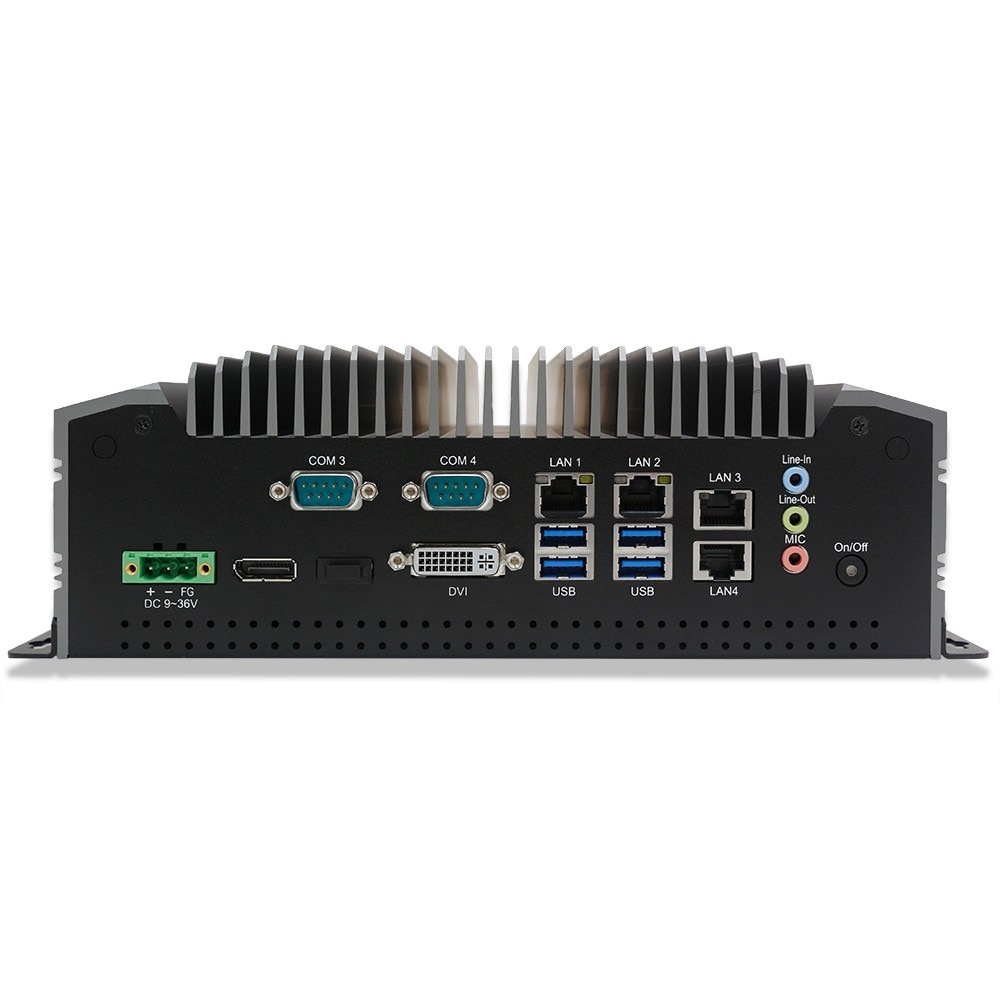
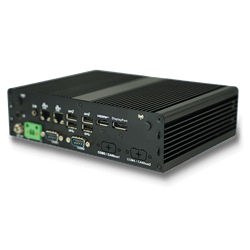
In OEM medical-device applications, the Teguar system may function as the embedded computing platform inside the finished equipment rather than as a standalone PC. In those cases, the end user may be interacting with a diagnostic, monitoring, or therapy device running on Teguar hardware.
When speccing a Teguar medical computer into something as sophisticated as a ventilator or another specialized medical device, engineers may work closely with our Custom Product Group to develop an interface appropriate for that workflow. In these applications, the interface must be reliable, readable, and suited to the clinical environment, whether that includes touchscreen input, physical controls, or both.
Inpatients and Virtual Care
With configurations that include integrated or paired audio/video capabilities, Teguar all-in-one medical PCs can be used as portable telemedicine stations on medical carts, allowing remote specialists to meet with hospital patients without being physically present. The device may be operated by bedside staff or virtual-care teams, while the patient participates in the consultation. Tablets can also support these workflows, especially when mounted, docked, or positioned for staff and patient use as needed.
Outpatients and Check-In Users
Teguar medical tablets handheld or mounted on a kiosk stand are often used for patient check-in or medical intake surveys before an appointment, sometimes by a family member or caregiver completing information on the patient’s behalf. On applicable models, antimicrobial-treated housings are paired with easy-to-clean surfaces that support routine cleaning between uses. With the appropriate network and software configuration, these devices can support digital intake and integrate with registration or EHR processes.

Have You Used a Teguar Medical Computer or Tablet?
When you read the title of this article, did you silently answer in your head “me”? Let us know your job title and how you use Teguar medical computers in your day-to-day operations.
About the Authors:
Matt Nadolny is the Marketing Manager for Teguar Computers. Though he has always had an interest in technology, joining the team in 2020 marked the beginning of his pursuit to understand more about the industrial and medical hardware offered at Teguar, which he now researches and writes about with the help of Teguar's Product Management and Sales teams. Outside of Teguar-related topics like the one above, Matt enjoys spending time with his family, playing games, making music, and getting lost down Internet rabbit holes of niche information.Previous Article
Teguar partners with Rockwell Automation as Certified ThinManager Hardware Manufacturer